
 Algeria
 Egypt
 Libya
 Morocco
 Sudan
 Tunisia
 Benin
 Burkina Faso
 Cabo Verde
 Côte d'Ivoire
 Ghana
 Guinea
 Guinea-Bissau
 Liberia
 Mali
 Mauritania
 Niger
 Nigeria
 Senegal
 Sierra Leone
 The Gambia
 Togo
 Cameroon
 Central African Republic
 Chad
 DR Congo
 Equatorial Guinea
 Gabon
 Republic of the Congo
 São Tomé and Príncipe
 Burundi
 Comoros
 Djibouti
 Eritrea
 Ethiopia
 Kenya
 Madagascar
 Malawi
 Mauritius
 Mozambique
 Rwanda
 Seychelles
 Somalia
 South Sudan
 Tanzania
 Uganda
 Angola
 Botswana
 Eswatini
 Lesotho
 Namibia
 Zambia
 Zimbabwe
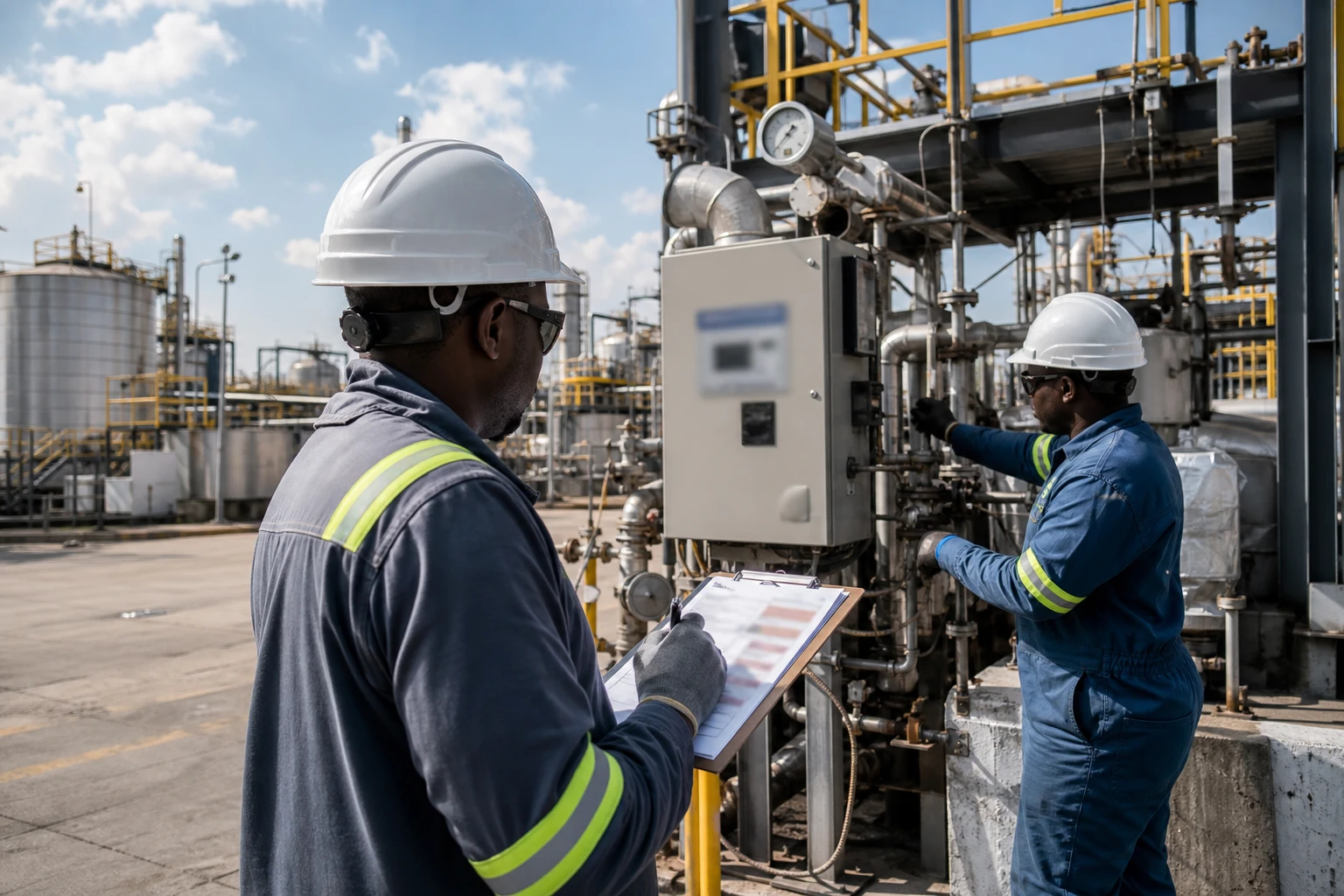
For South Africa, the transition to sustainable aviation fuels is also playing out abroad. Sasol has secured a new technology contract in the United States, even as it prepares to wind down its joint venture Zaffra with Denmark’s Topsoe. The change in structure does not, therefore, mean abandoning the low-carbon fuels market.
New plant planned in Washington state
The project concerns Project Wigeon, a planned facility being developed by Dutch company SkyNRG. It is to be built in the Wallula Gap industrial area, within the Port of Walla Walla in Washington state.
The facility is targeting annual capacity of 50 million US gallons of sustainable aviation fuel, or SAF, as well as renewable diesel. That volume is equivalent to about 189 million litres. SkyNRG expects production to begin in 2031, after a construction phase that could start in 2028.
The project is now in the FEED phase, or Front-End Engineering Design. This stage helps refine the plant’s design, costs, technical requirements and execution conditions before a final investment decision.
SkyNRG has assigned Sasol and Topsoe separate but complementary roles. The South African group will supply its Sasol LTFT™ process, a low-temperature Fischer-Tropsch technology. It converts a gas mixture into liquid hydrocarbons that can then be used to make fuels.
Topsoe will provide technologies to prepare the synthesis gas and process the resulting product. Technip Energies is also involved in the preparatory engineering studies. The company is expected to help define the industrial configuration, required investment and execution timetable in greater detail.
According to information published by SkyNRG on Project Wigeon, the plant could support up to 600 jobs during construction and about 100 permanent positions once operational. The developer also says the fuel would be produced from renewable natural gas, including gas derived from residual organic materials.
Third contract since Zaffra’s restructuring
The US agreement follows two other announcements involving Sasol and Topsoe. The first concerns Sustaero, a Canadian company working on a SAF plant using wood waste. Its announced initial capacity is 144,000 tonnes a year. A final investment decision is expected in 2027.
The second project is in the Khorezm region of Uzbekistan. Allied Biofuels plans to develop a platform there producing SAF and e-SAF, a synthetic fuel made using renewable hydrogen and captured or sustainably available carbon.
The Uzbek project reached a new milestone in September 2026, with a FEED meeting attended by its main technical partners. Allied Biofuels remains committed to making a final investment decision in the first quarter of 2027. The group puts the total cost of the complex at about $6.1bn, a figure that remains subject to further studies and confirmation of financing.
These announcements take on particular significance following Sasol and Topsoe’s decision to prepare for Zaffra’s operational wind-down. The two groups announced the restructuring on 25 June 2026, according to documents filed by Sasol with the US Securities and Exchange Commission.
Zaffra was established to develop, build, own and operate sustainable aviation fuel plants. The joint venture was also intended to market fuels produced from biomass, green hydrogen and carbon dioxide from sustainable sources.
The gradual end of this structure does not, however, undermine technological co-operation between the two partners. Zaffra said Sasol and Topsoe wanted to continue working together in a more direct and flexible form. Licensing and engineering contracts can therefore continue without maintaining a joint venture responsible for taking projects forward itself.
For Sasol, exporting technology while limiting risk
This shift reflects an industrial choice. Developing and operating SAF plants directly requires substantial capital, secure supplies and markets able to buy fuel at a premium to conventional kerosene.
By focusing more on licensing, engineering and technical support, Sasol can access several markets without funding construction of every facility itself. The South African group thus retains a role in the value chain while leaving developers and their financial partners to shoulder a larger share of the risk.
The model also has limitations. A technology contract does not automatically guarantee that a plant will be built. Projects must still obtain permits, secure feedstock, conclude offtake agreements and reach a final investment decision.
For Project Wigeon, SkyNRG says it has received a favourable conditional environmental decision under Washington state’s review process. The company must nevertheless continue its technical and commercial studies before construction can actually begin.
For South Africa, the stakes go beyond contracts signed abroad. Sasol has extensive experience in Fischer-Tropsch processes and is seeking to put that expertise to work in a sector expected to grow as a result of aviation’s emissions-reduction targets.
The group also says it has demonstrated the production of renewable diesel and SAF from used cooking oil at its South African facilities. This experience could help test local supply chains, although waste availability, certification and production costs remain decisive factors.
A global market still awaiting investment decisions
SAF is attracting developers in North America, Europe and Central Asia. The sector, however, is still scaling up. Partnership announcements are multiplying faster than operational industrial capacity.
The 2027 milestones will therefore be important. They will show whether Sustaero and Allied Biofuels move from design to investment. Project Wigeon, in turn, will need to confirm its schedule towards 2028 and then its announced 2031 start-up.
Sasol’s trajectory illustrates a broader trend in African industry. Companies on the continent are no longer limiting themselves to supplying raw materials or energy. They are also seeking to export processes, engineering expertise and industrial solutions to markets undergoing the energy transition.
The success of this strategy will nevertheless depend on the ability to turn licences into facilities that actually produce fuel. For Sasol and its partners, the next measure of progress will therefore not simply be the signing of new contracts, but their progression to final investment decisions and then commercial production.



