Algeria
 Egypt
 Libya
 Morocco
 Sudan
 Tunisia
 Benin
 Burkina Faso
 Cabo Verde
 Côte d'Ivoire
 Ghana
 Guinea
 Guinea-Bissau
 Liberia
 Mali
 Mauritania
 Niger
 Nigeria
 Senegal
 Sierra Leone
 The Gambia
 Togo
 Cameroon
 Central African Republic
 Chad
 DR Congo
 Equatorial Guinea
 Gabon
 Republic of the Congo
 São Tomé and Príncipe
 Burundi
 Comoros
 Djibouti
 Eritrea
 Ethiopia
 Kenya
 Madagascar
 Malawi
 Mauritius
 Mozambique
 Rwanda
 Seychelles
 Somalia
 South Sudan
 Tanzania
 Uganda
 Angola
 Botswana
 Eswatini
 Lesotho
 Namibia
 Zambia
 Zimbabwe
Pretoria, a night of football that means more than a trophy
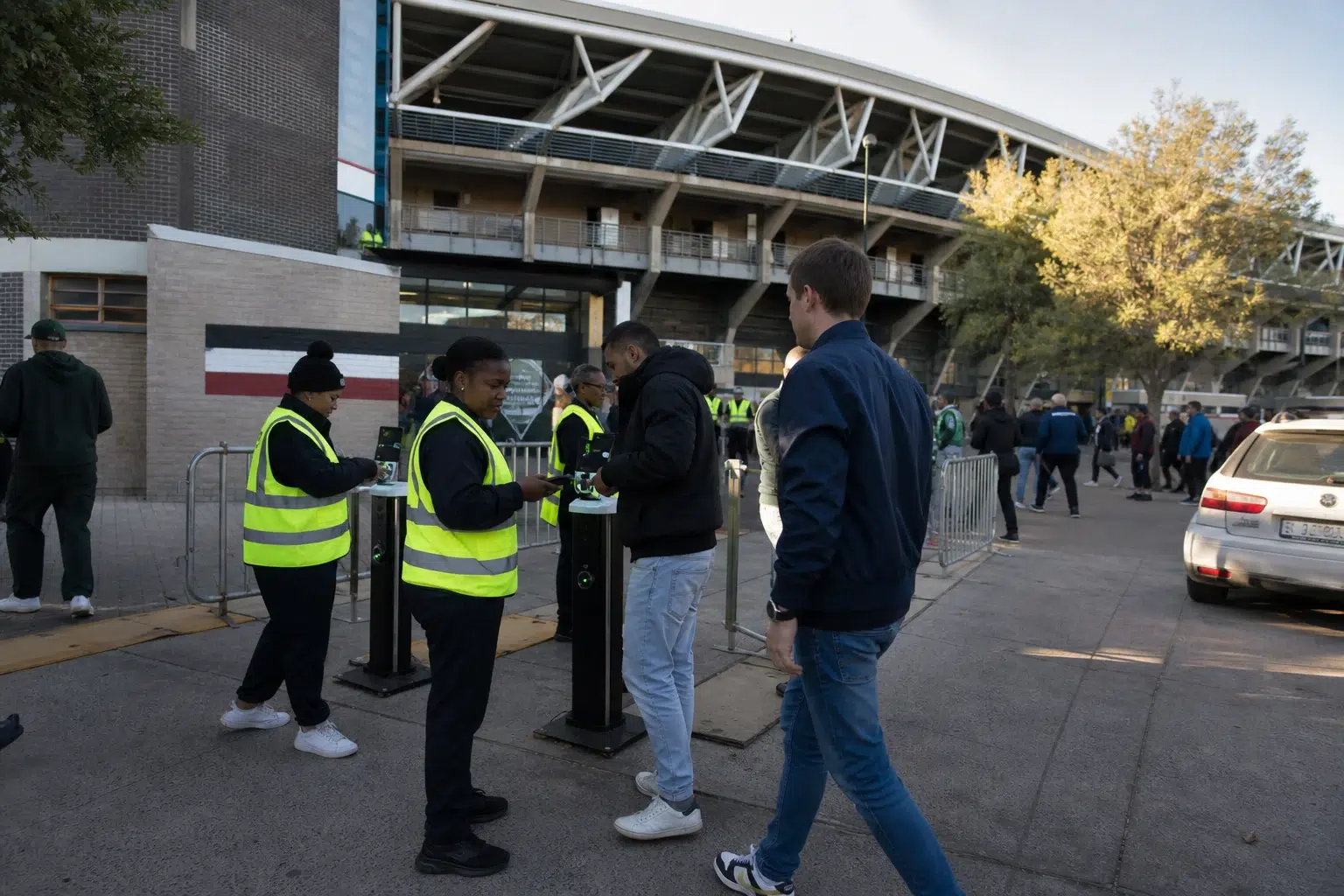
In Pretoria, a cup win tells the story of more than a well-managed evening. It also shows how far a South African club can go when it turns domestic dominance into a continental, then global, project. Mamelodi Sundowns took an important step on 19 September 2026 at Loftus Versfeld Stadium, in front of their home crowd, beating Al Ahli 2-1 in the FIFA Africa-Asia-Pacific Cup. The Pretoria club thereby secured its place in the next stage of the Intercontinental Cup.
The setting matters. South Africa remains one of southern Africa’s economic and sporting powers, within SADC, the Southern African Development Community, which shapes some regional trade. Against this backdrop, Sundowns is no longer merely a big name in the domestic league. The club has established itself among Africa’s leading sides, ranking near the top of the CAF club rankings in 2025 and returning to the global stage in 2026 through the most demanding sporting route.
The match, and the horizon that opens up
The pattern of the game was clear. Nuno Santos opened the scoring in the 17th minute from a Teboho Mokoena cross. Al Ahli replied two minutes later. FIFA credited the goal as an own goal by Ronwen Williams, after a deflected shot by Firas Al-Buraikan. Santos then made the difference again in the 79th minute, once more with a header, this time from a pass by Thabang Matuludi. Sundowns therefore won the Africa-Asia-Pacific Cup and progressed in the tournament.
The victory has a specific significance. The winner of this tie will next face the winner of the Derby of the Americas between Toluca, the Concacaf champions, and the eventual winners of the Libertadores. The club that comes through that stage will go on to the Challenger Cup, with a final then scheduled against European champions Paris Saint-Germain. FIFA has also confirmed that the 2026 format will see the champion clubs progress through several stages before the final.
For South Africa, the stakes go beyond the trophy itself. Sundowns has long built its reputation on consistency, tactical control and the stability of its sporting project. The club won the CAF Champions League in 2016, then again in 2025, earning its route into this intercontinental competition. It also reached another milestone by becoming the inaugural winners of the African Football League in 2023. This record reflects a rise in quality rather than an isolated triumph.
The match against Al Ahli is therefore part of a longer journey. Since the creation of the global club competition, Africa has had only two representatives in the final, TP Mazembe in 2010 and Raja Casablanca in 2013, with neither winning. That is the barrier Sundowns is trying to break through. The Pretoria club has not yet reached the final, but it has already done what few African teams manage: put itself one or two steps away from the global showpiece.
What Sundowns is changing beyond Pretoria
The impact can also be seen in African football itself. Sundowns no longer competes only within the CAF sphere, where continental successes are often concentrated among a handful of major clubs. By beating the champions of Asia and then setting its sights on a clash with the winners from the Americas, the South African club is showing that an African project can compete within a global structure designed to test the depth of leagues, squad management and the ability to travel long distances without losing one’s identity.
This matters to supporters, but also to the economics of football. A prolonged run on the FIFA stage boosts a club’s profile, commercial value and appeal to players, coaches and sponsors. It also gives South Africa’s Premier Soccer League a platform that no marketing pitch can replace. Pretoria then becomes a point of reference for all of southern Africa: how a well-structured club can turn a solid local base into global credibility.
The decisive next step remains. Sundowns must still come through the Derby of the Americas, with their opponent to be confirmed only after the Libertadores concludes. FIFA’s schedule also confirms that the tournament’s final stage will be played in December, against PSG, who have already been placed directly in the final by virtue of their European status. For now, the key point is this: a South African club has reminded the world in Pretoria that Africa does not enter these competitions to make up the numbers. It enters to progress.