Algeria
 Egypt
 Libya
 Morocco
 Sudan
 Tunisia
 Benin
 Burkina Faso
 Cabo Verde
 Côte d'Ivoire
 Ghana
 Guinea
 Guinea-Bissau
 Liberia
 Mali
 Mauritania
 Niger
 Nigeria
 Senegal
 Sierra Leone
 The Gambia
 Togo
 Cameroon
 Central African Republic
 Chad
 DR Congo
 Equatorial Guinea
 Gabon
 Republic of the Congo
 São Tomé and Príncipe
 Burundi
 Comoros
 Djibouti
 Eritrea
 Ethiopia
 Madagascar
 Malawi
 Mauritius
 Mozambique
 Rwanda
 Seychelles
 Somalia
 South Sudan
 Tanzania
 Uganda
 Angola
 Botswana
 Eswatini
 Lesotho
 Namibia
 South Africa
 Zambia
 Zimbabwe
When silence becomes a conservation tool
In the Masai Mara, the engine is no longer just a matter of comfort. It has become a choice affecting wildlife management, camp costs and the relationship with the environment. In this reserve in south-western Kenya, electric vehicles are beginning to replace petrol-powered motorcycles and cars on some tracks, with a simple idea: see without disturbing.
The issue goes beyond tourism innovation alone. In 2026, Kenya embarked on a national electric mobility policy to reduce emissions, modernise transport and strengthen energy security, while the country remains highly exposed to its oil bill and global fuel prices. The shift to electric power here is therefore not confined to Nairobi. It also affects parks, lodges and activities that depend on the natural heritage.
In the Masai Mara, electric mobility also supports surveillance
On the ground, the logic is practical. A ranger in the Mara-Siana sector said he had been patrolling for a year on an electric motorcycle that, according to him, can travel about 160 kilometres and be recharged in three hours. The quiet engine changes the equation: it reduces stress for animals and makes illegal incursions into the reserve more likely to be caught by surprise. The same principle applies to visitors, who can hear the sounds of the bush and their guides’ instructions more clearly.
This shift is part of a wider management system in the Mara. The Kenya Wildlife Service manages the country through eight major conservation areas, while the Maasai Mara National Reserve has its own management plan, backed by Narok County and guided by specific targets for visitor numbers, conservation and security. The 2023-2032 management plan highlights growing pressure on the ecosystem and the need for tighter controls on tourism.
In this context, electric vehicles are one tool among many. They do not replace rangers or conventional surveillance, but they improve discretion, reduce some forms of disturbance and can cut fuel and maintenance costs. This is one of the key benefits highlighted by conservation operators in the Mara.
Safari camps are testing a more sustainable model
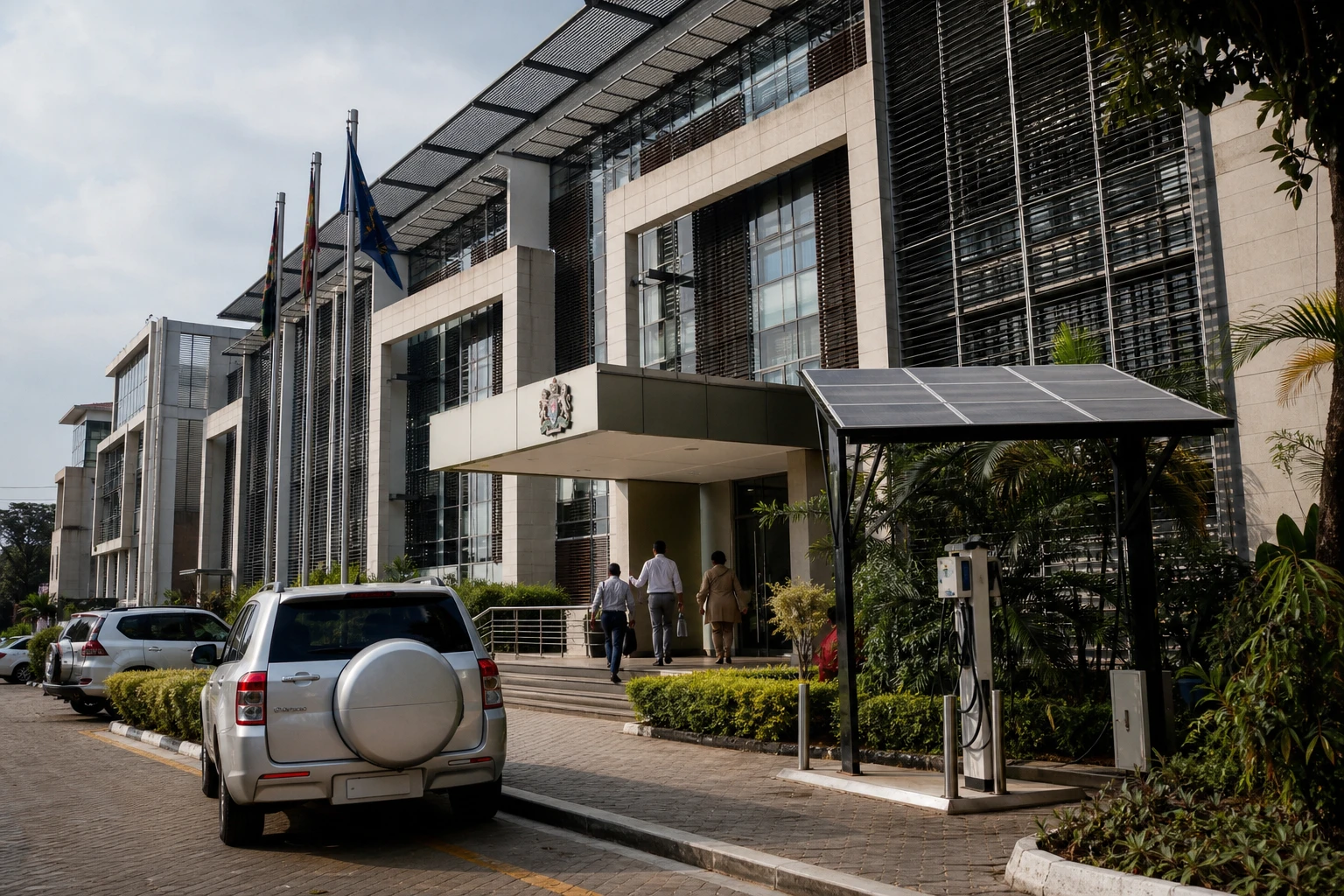
The shift is not limited to patrols. Some camps have already added electric cars to their safari circuits. Emboo River Camp, in the Masai Mara, has been using them since 2019 and recharges them exclusively with solar power, according to its co-founder. The camp has also expanded its electric fleet and tripled its solar capacity to meet demand.
The benefits are first and foremost practical. In remote areas, transporting fuel is expensive and depends on fragile logistics. Solar charging on site, by contrast, can reduce reliance on supplies and stabilise costs. Industry players see this as an economic argument as much as an environmental one. In the long term, some believe a safari vehicle converted to electric power can pay for itself in less than three years, although the initial investment remains high, at between $35,000 and $45,000.
ROAM Electric, the Kenyan company that makes the motorcycles used in the Mara, presents the area as a real-world testing ground. Its business is part of a broader national ecosystem in which clean mobility is gaining ground, particularly in two-wheelers and commercial applications. The company also says its models were designed in Kenya, illustrating a point that is often underestimated: part of Africa’s green transition is already being built locally, with applications designed for the realities of the continent.
What this transition means for Kenya and East Africa
The Masai Mara is not an isolated setting. It is part of the wider Mara-Serengeti ecosystem, shared with Tanzania, and of the East African Community’s tourism drive, which promotes coordinated marketing of regional destinations. Sustainable tourism is becoming a competitive issue there, not just a matter of protecting nature.
For Kenya, the stakes are twofold. On the one hand, parks and reserves support local employment, hotel revenues, guides, catering and supply chains. On the other, they must preserve the resource that draws visitors: wildlife, landscapes and tranquillity. In the Mara, too much noise, too many vehicles and excessive pressure on land can damage the visitor experience as well as the ecosystem. The 2023-2032 management plan and Kenya Wildlife Service programmes highlight the constant tension between tourism and habitat protection.
The shift to electric power therefore addresses a broader equation. It is about energy, climate and mobility, but also economic sovereignty. Kenya has announced plans to decarbonise transport, support local innovation and create green jobs. In the reserves, this policy is taking tangible form: less smoke, less noise, less dependence on diesel and more solar power generated on site.
One clear obstacle remains: charging infrastructure is still limited, especially in the most remote areas. That is where the next phase will be decided. The Mara is a test case. If the model holds up on difficult tracks, over long distances and in sometimes harsh conditions, it could inspire other protected areas in Kenya and then across East Africa. If maintenance costs, range and access to solar power remain manageable, the electric safari could become more than a curiosity: a standard for conservation tourism.