Algeria
 Egypt
 Libya
 Morocco
 Sudan
 Tunisia
 Benin
 Burkina Faso
 Cabo Verde
 Côte d'Ivoire
 Ghana
 Guinea
 Guinea-Bissau
 Liberia
 Mali
 Mauritania
 Niger
 Senegal
 Sierra Leone
 The Gambia
 Togo
 Cameroon
 Central African Republic
 Chad
 DR Congo
 Equatorial Guinea
 Gabon
 Republic of the Congo
 São Tomé and Príncipe
 Burundi
 Comoros
 Djibouti
 Eritrea
 Ethiopia
 Kenya
 Madagascar
 Malawi
 Mauritius
 Mozambique
 Rwanda
 Seychelles
 Somalia
 South Sudan
 Tanzania
 Uganda
 Angola
 Botswana
 Eswatini
 Lesotho
 Namibia
 South Africa
 Zambia
 Zimbabwe
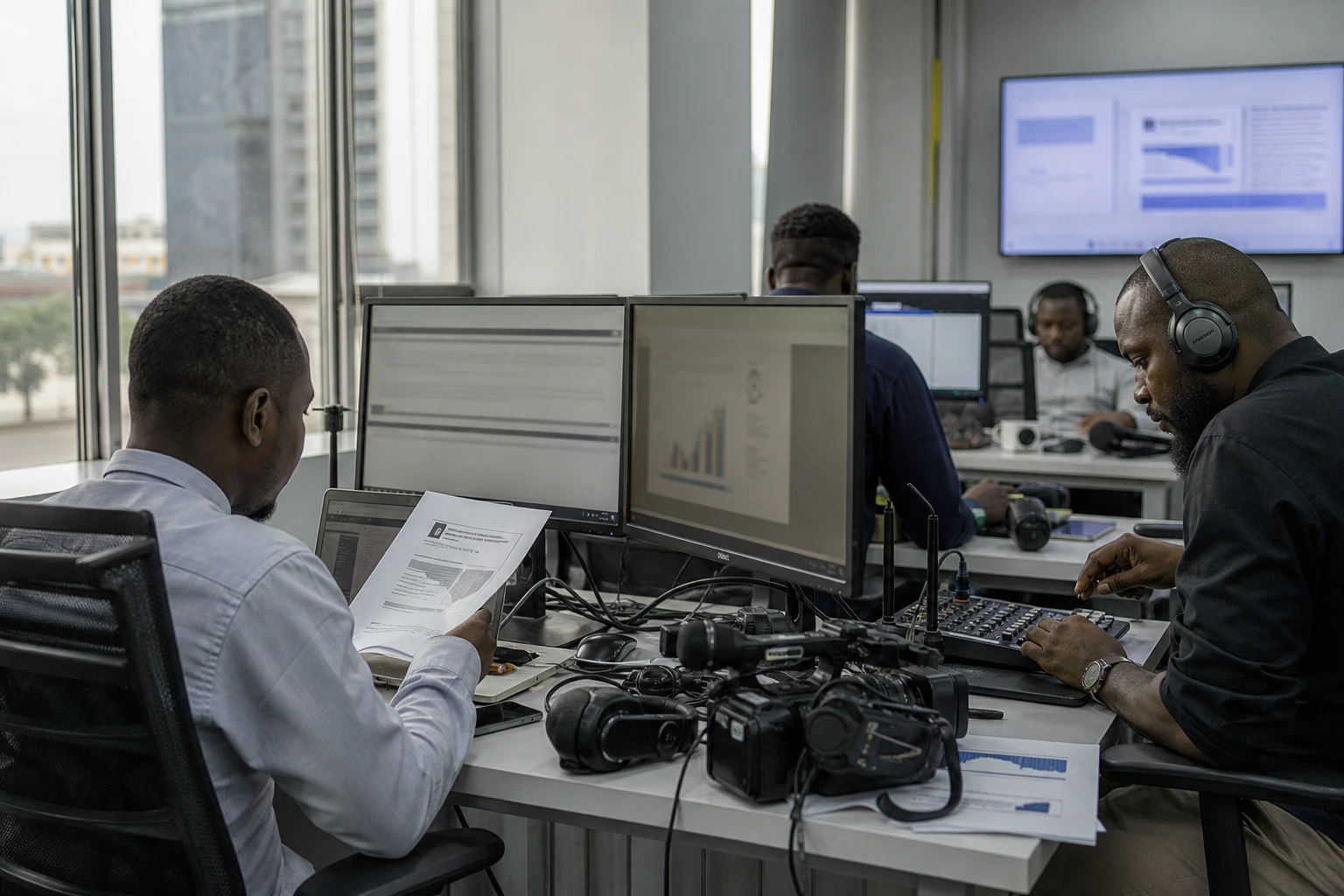
When an industrial asset opens its capital, it changes how Nigeria is seen
In Lagos, a project long presented as a symbol of industrial power is taking on a new dimension: it is also becoming a savings product. For many Nigerians, the question is no longer just whether the Dangote refinery can reduce the country’s dependence on imports, but whether they can now directly earn a share of its value.
Nigeria, West Africa’s largest economy and a major crude oil producer, has long been a paradox: rich in oil, yet dependent on fuel refined elsewhere. In this context, the public offering of a stake in the Lekki refinery, near Lagos, touches on industry, finance and households’ confidence in the stock market in Abuja, the country’s decision-making centre.
The offering launched on 14 September 2026 aims to sell about 3% of the share capital of Dangote Petroleum Refinery and Petrochemicals FZE. It could raise up to $1.6bn, according to information published by Nigeria’s market regulator. The offer runs for one month and is open to retail and institutional investors, with subscriptions starting at 10 shares, priced at 525 naira each.
A giant refinery, a financial gamble and greater regulatory scrutiny
The timing is no accident. The refinery began production in 2024 after more than a decade of construction. It has a capacity of 650,000 barrels a day, making it one of the world’s largest refining facilities. The initial investment was announced at around $19bn, before being substantially increased by construction delays, land reclamation at the Lekki site and disruption linked to the Covid-19 pandemic.
Market authorities are nevertheless reminding investors that taking a stake does not remove stock market risk. Nigeria’s Securities and Exchange Commission has warned that orders and payments must be made only through officially approved channels. The regulator has also cautioned against unauthorised platforms, in a country where fraudulent campaigns targeting small savers remain a familiar feature of the financial market.
The signal matters for Abuja. Nigeria has for years sought to deepen its capital market, which households still use less than property, bank deposits or informal investments. An offering of this size could attract a new generation of savers. It could also reinforce the idea that an industrial asset can become an instrument of popular participation, provided transparency and governance keep pace.
Caution is therefore still warranted. A share backed by such a strategically important refinery is not a risk-free investment. Revenue will depend on oil prices, energy costs, refining margins, residual import needs and public policy decisions. For first-time investors, the real challenge is not just buying a share. It is understanding that its value can rise, but can also fall.
What this public offering says about Nigeria, and what it changes beyond Lagos
The Dangote project has long embodied an industrial promise. The country imported most of its refined petroleum products because it lacked sufficient domestic capacity. The refinery began to rebalance that situation in 2024, then ramped up production to the point where it met a significant share of domestic fuel demand. For consumers, the stakes are tangible: less pressure on supplies, less dependence on cargoes from abroad and potentially greater stability in the domestic market.
This transformation also has regional implications. In West Africa, fuel supply chains remain fragile, and ECOWAS countries remain exposed to logistical shocks, freight fluctuations and currency pressures. When infrastructure on this scale lists on the stock market, it is not speaking only to Nigerian savers. It is also sending a message to African markets: major industrial projects can seek financing locally, and not only from foreign capital.
The deal also highlights the role of the state and institutions. Nigeria remains a major crude exporter, but for a long time some of the value added from oil eluded the country because of a lack of domestic refining. The expansion of Lekki, followed by its partial opening to the public, illustrates an attempt to capture more of that value within the country. This is an economic issue, but also a political one, because it concerns energy sovereignty, industrial jobs and the credibility of reforms.
For Aliko Dangote, the offering completes an already exceptional journey. Born in Kano and ranked as the continent’s richest man by several international rankings, he built his fortune in cement, sugar and logistics before establishing himself in oil. For Nigeria’s authorities, the challenge is different: to ensure that a privately owned project of continental scale also supports a broader financial market, without leaving small shareholders to face the risk alone.
The next test will be easy to read. It will show whether this public offering mainly attracts seasoned investors, or whether it genuinely succeeds in broadening the base of Nigerian shareholders. Beyond the Dangote case, it raises the wider question of how major infrastructure in Africa is financed: who pays, who owns it, and who ultimately benefits from industrial transformation?