
 Algeria
 Egypt
 Libya
 Morocco
 Sudan
 Tunisia
 Benin
 Burkina Faso
 Cabo Verde
 Côte d'Ivoire
 Ghana
 Guinea
 Guinea-Bissau
 Liberia
 Mali
 Mauritania
 Niger
 Nigeria
 Senegal
 Sierra Leone
 The Gambia
 Togo
 Central African Republic
 Chad
 DR Congo
 Equatorial Guinea
 Gabon
 Republic of the Congo
 São Tomé and Príncipe
 Burundi
 Comoros
 Djibouti
 Eritrea
 Ethiopia
 Kenya
 Madagascar
 Malawi
 Mauritius
 Mozambique
 Rwanda
 Seychelles
 Somalia
 South Sudan
 Tanzania
 Uganda
 Angola
 Botswana
 Eswatini
 Lesotho
 Namibia
 South Africa
 Zambia
 Zimbabwe
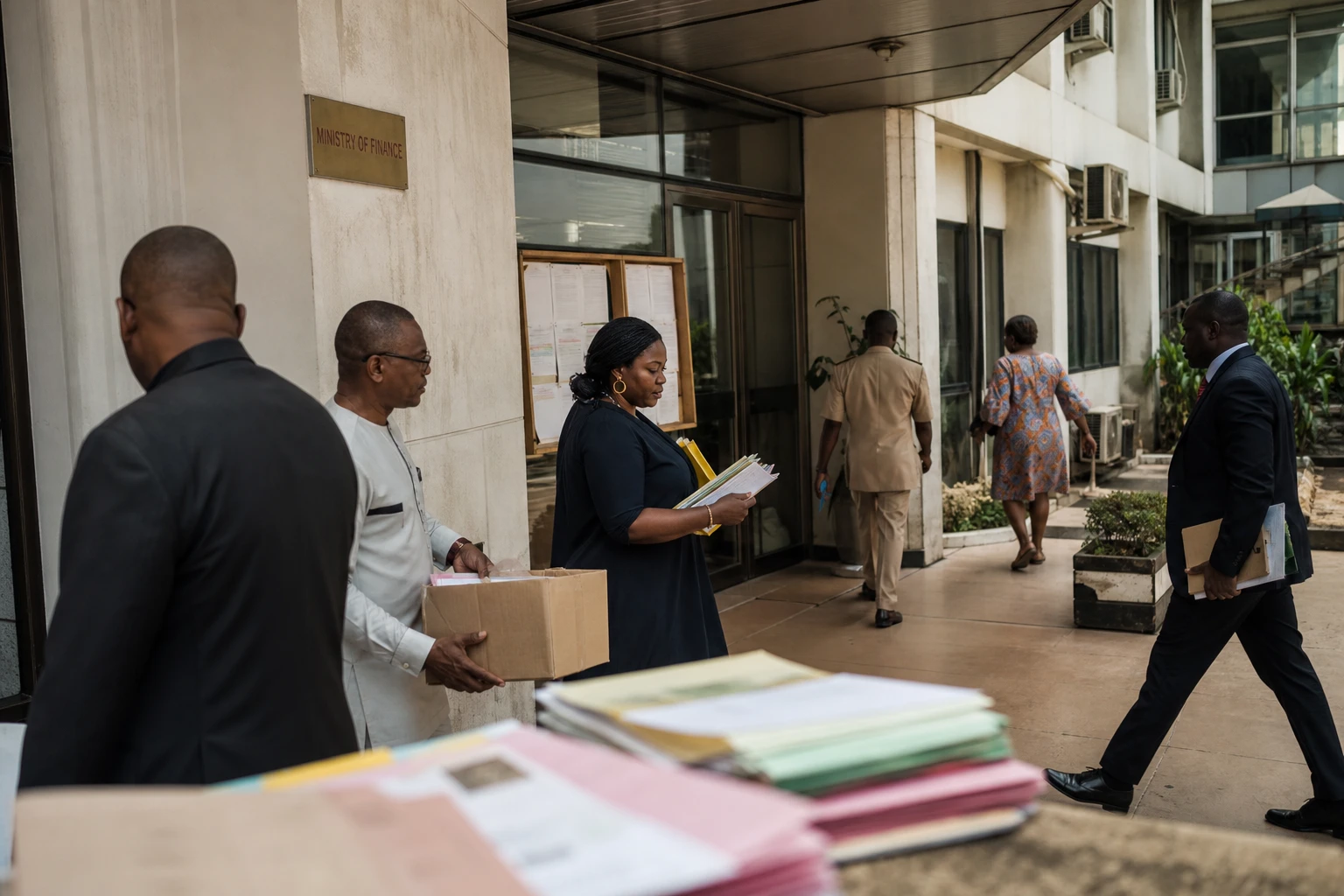
Another court bill for a refinery already under strain
In Cameroon, every financial case involving Sonara tells the same story: a refinery at a standstill, strained cash flow and a state forced to weigh budgetary emergencies against energy security. The latest dispute with Sahara Energy does more than alter a line in the accounts. It is also a reminder of how energy-sector payment delays can end up before foreign courts.
Sonara, the National Refining Company, is based in Limbé, in Cameroon’s South-West Region. It remains a strategic player, even after the 2019 fire that paralysed its industrial facilities. Since then, the country has become more reliant on imports of petroleum products, while Yaoundé presses ahead with a rehabilitation project described as a priority for national energy security.
What the British ruling says
The latest development in the case came in the United Kingdom. On 29 June 2026, the UK Supreme Court refused Sonara permission to appeal in its dispute with Sahara Energy Resource Ltd and Sahara Energy Resource DMCC. In practice, this leaves in place the Court of Appeal ruling in favour of the trader on the claims still in dispute. The case concerns cargoes of crude delivered between 2013 and 2016 under a contract signed in 2013.
The British judges distinguished between several groups of claims. On one side were the principal sums and certain items that had already been settled. On the other were additional interest and foreign-exchange differences – losses linked to currency fluctuations and the cost of bank financing. The dispute continued chiefly over these sums. The Supreme Court did not reopen the merits of the case. It simply refused to consider a further appeal.
The amount reported by the specialist press is about $76.97 million, or nearly CFAF 42.8 billion. However, a court’s recognition of a debt must be distinguished from its actual payment. The public documents reviewed establish the claim upheld by the British courts, not a payment already made by Sonara.
Why the case matters to Yaoundé
The sensitive issue is not just the amount. It is also institutional. Sonara operates in a sector where the Cameroonian state is heavily involved, directly or through financial oversight. In practice, a judgment of this size can ultimately fall back on the public finances, especially when the company lacks robust cash reserves. This is a pattern already seen in other debt and restructuring cases involving the state oil company.
Cameroon is already facing several constraints at once. Sonara is still being rebuilt. The government says it wants to modernise the facility and reposition it within national and sub-regional energy security. At the same time, fuel imports remain necessary to supply the domestic market. This dependence increases the energy bill and limits the state’s room for manoeuvre, particularly when public revenue must also fund subsidies and other social priorities.
The impact varies across the country. For the central administration, the case adds budgetary and legal pressure. For Sonara, it reinforces the image of a company mired in payment delays and complex trade-offs between commercial activity, bank debt and industrial reconstruction. For households and businesses, the stakes are even more tangible: every weakness in local refining affects the stability of supply and the final cost of petroleum products.
A signal that goes beyond Sonara
The case also says something broader about the governance of public enterprises in Central Africa. Cameroon operates within CEMAC, where macroeconomic stability depends heavily on budgetary discipline and states’ ability to limit external litigation. When a leading state-owned company ends up before foreign courts, it is not merely a commercial dispute. It is a test of the country’s contractual credibility.
The precedent matters too. In the same sector, international disputes over oil contracts have shown that delays, financing clauses and foreign-exchange differences can prove very costly if they are not managed promptly. The lesson is simple: in the energy sector, contractual timing matters almost as much as the volume delivered. For a country still seeking to restart its Limbé refinery, every debt upheld by a foreign judge is a reminder that industrial recovery depends not only on construction work, but also on the quality of governance.
The question now is what happens next. The Cameroonian government will have to clarify how it plans to deal with the claim, at a time when Sonara’s rehabilitation is described as a strategic project and public finances are already absorbing several shocks. In the region, public and private partners will be watching one thing in particular: Cameroon’s ability to honour its contracts, reduce litigation and restore confidence in its energy assets.



