Algeria
 Egypt
 Libya
 Morocco
 Sudan
 Tunisia
 Benin
 Cabo Verde
 Côte d'Ivoire
 Ghana
 Guinea
 Guinea-Bissau
 Liberia
 Mali
 Mauritania
 Niger
 Nigeria
 Senegal
 Sierra Leone
 The Gambia
 Togo
 Cameroon
 Central African Republic
 Chad
 DR Congo
 Equatorial Guinea
 Gabon
 Republic of the Congo
 São Tomé and Príncipe
 Burundi
 Comoros
 Djibouti
 Eritrea
 Ethiopia
 Kenya
 Madagascar
 Malawi
 Mauritius
 Mozambique
 Rwanda
 Seychelles
 Somalia
 South Sudan
 Tanzania
 Uganda
 Angola
 Botswana
 Eswatini
 Lesotho
 Namibia
 South Africa
 Zambia
 Zimbabwe
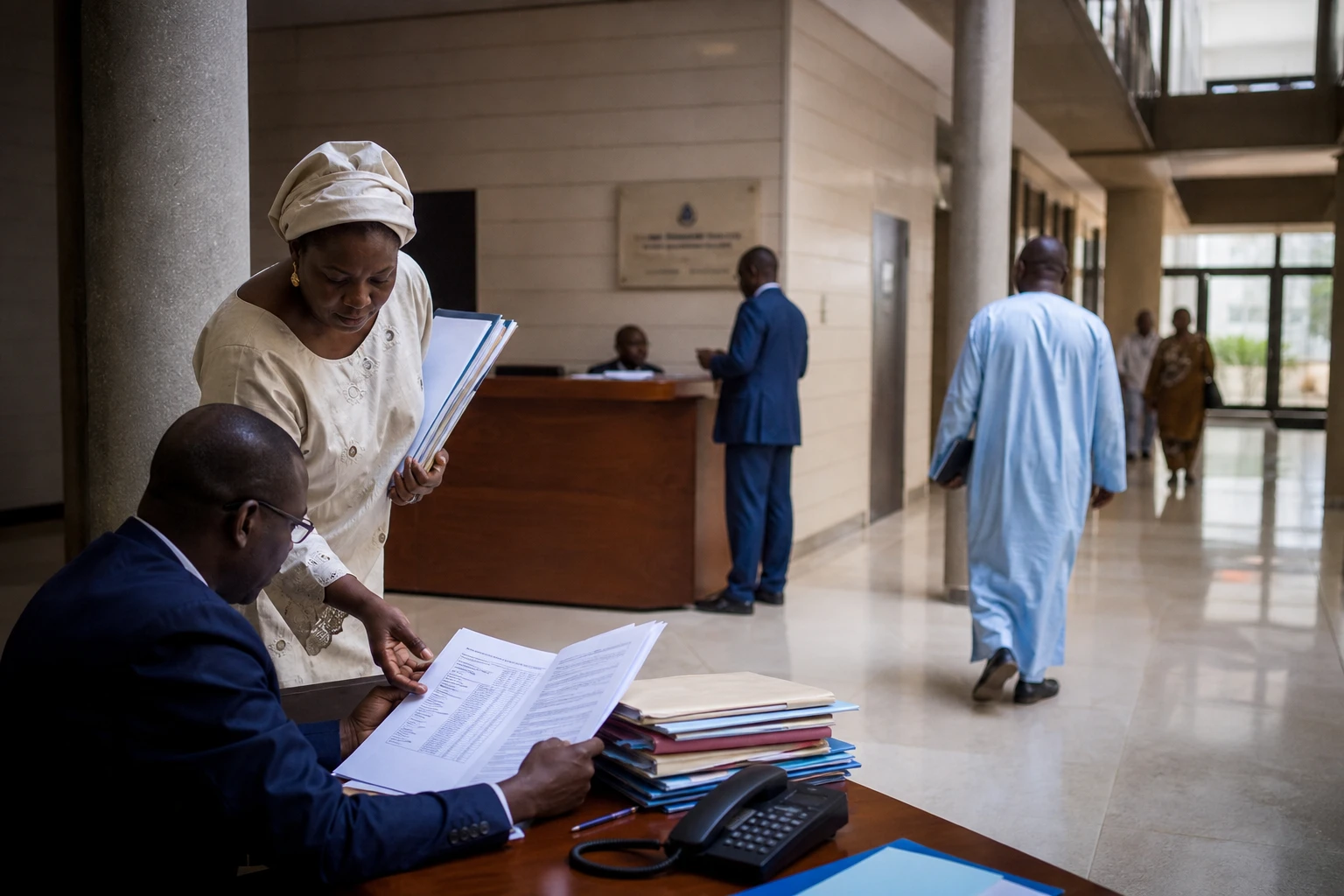
A border turned into a quiet exchange point
In eastern Mali, the border with Niger is no longer just a line of separation. It now serves, at regular intervals, as a corridor for handing over prisoners in a Sahelian war where the balance of power shifts both on the ground and at the negotiating table. In late August 2026, more than 60 Malian soldiers were transferred to Niger after being held by the Front de libération de l’Azawad, or FLA, a Tuareg movement active in northern Mali.
This latest episode comes amid a regional landscape already clouded by a growing number of armed actors, the weakening of traditional mediation frameworks and political realignments in the central Sahel. Mali, Niger and Burkina Faso have left ECOWAS to establish the Confederation of Sahel States, or AES, while fighting in northern Mali remains bound up with shifting alliances between separatist groups and jihadist organisations.
What is known about the handover of 61 soldiers
According to corroborated information, 61 Malian soldiers were handed over to the Nigerien authorities on Friday 28 August 2026 at the Mali-Niger border. Their return to Bamako is to be arranged afterwards. Several consistent sources say most of the soldiers had been captured more than a year ago in the Kidal region of north-eastern Mali.
The name of an FLA official detained in Niger has also emerged in connection with the exchanges. Reports published in Bamako and other regional media say the Tuareg figure, arrested on Nigerien soil about two years ago, was released in return. Some of these details remain attributed to sources close to the case, reflecting the extreme secrecy surrounding the discussions.
The handover follows several similar developments. On 13 August 2026, the Malian general staff announced the release of 82 Malian Armed Forces personnel, held since 25 April 2026 by the JNIM/FLA coalition. On 24 August, the APA news agency reported the release of a further 22 Malian soldiers in a separate exchange. The 28 August episode therefore confirms a broader series of reciprocal gestures, rather than an isolated event.
Negotiations challenge official positions
The most sensitive issue is not simply the number of soldiers involved. It is the nature of the channels used. For years, Sahelian authorities have insisted that no discussions could take place with groups designated as terrorists. Yet the succession of releases shows that contacts do exist in practice, sometimes through Nigerien intermediaries, sometimes via military authorities in the area. The Nigerien News Agency and several African media outlets have already described a mediating role for Niamey in recent exchanges.
For Bamako, the stakes are twofold. On the one hand, the release of soldiers is an obvious domestic political gain. It reinforces the narrative of a state that recovers its men and protects its army. On the other, it highlights the continuing security vulnerabilities in the north of the country, particularly around Kidal and Anéfis, and along the routes linking Gao, Ménaka and the Nigerien border. The situation is a reminder that Malian forces remain exposed to capture, ambushes and prolonged detention.
For families, the issue is even more immediate. Each release brings relief after months of waiting and uncertainty. But it also reveals a brutal reality: in northern Mali, military captivity has become an instrument of war and negotiation. Prisoners do not simply disappear from official lists. They weigh on diplomatic timetables, troop morale and public opinion, in Bamako as well as in northern garrisons.
Northern Mali, the centre of gravity of the Sahelian conflict
The FLA is part of a long history of Tuareg rebellions in Mali. But the events of 2026 reveal a reality more complex than a simple confrontation between Bamako and separatist groups. Tactical rapprochements between northern separatists and fighters affiliated with al-Qaeda, reported by several sources, blur conventional categories. They illustrate a conflict in which alliances can be temporary, local and reversible.
This shift also affects regional security. Niger is once again at the centre of events, serving as a transit route, a mediator and a venue for strategic calculations. Burkina Faso, also an AES member, is likewise affected by the repercussions of these exchanges, as Burkinabe soldiers have also been named among those released in other recent operations. The central Sahel therefore operates as a set of interconnected crises, in which a release in Mali can have consequences in Niger and Burkina Faso.
At continental level, the episode points to a broader trend: Sahelian states are now seeking to manage some of their security affairs on their own, outside ECOWAS frameworks and with a reduced role for traditional external mediation. This does not solve the underlying problem. But it shows that the balance of power is shifting, and that solutions increasingly depend on local arrangements that are sometimes opaque, often pragmatic and always political.
What to watch now is how these exchanges develop. More releases could follow, both of Malian personnel and of FLA detainees. In the short term, the key question is whether the authorities in Bamako and Niamey can turn these successive handovers into lasting de-escalation, or whether they will merely stabilise a shifting balance of power in northern Mali.