Algeria
 Egypt
 Libya
 Morocco
 Sudan
 Tunisia
 Benin
 Burkina Faso
 Cabo Verde
 Côte d'Ivoire
 Ghana
 Guinea
 Guinea-Bissau
 Liberia
 Mali
 Mauritania
 Niger
 Nigeria
 Senegal
 Sierra Leone
 The Gambia
 Togo
 Cameroon
 Central African Republic
 Chad
 DR Congo
 Equatorial Guinea
 Gabon
 Republic of the Congo
 São Tomé and Príncipe
 Burundi
 Comoros
 Djibouti
 Eritrea
 Ethiopia
 Kenya
 Madagascar
 Malawi
 Mauritius
 Mozambique
 Rwanda
 Seychelles
 Somalia
 South Sudan
 Tanzania
 Uganda
 Angola
 Botswana
 Eswatini
 Lesotho
 Namibia
 Zambia
 Zimbabwe
Mdantsane, a town that knows the price of the ring
In Mdantsane, in the east of the country, boxing is more than a sport. It is also a collective memory, a route to social mobility and, too often, the backdrop to tragedies that reach beyond the dressing room. Zolani Tete’s death therefore strikes far beyond a famous name. It affects a town in the Eastern Cape that has already produced several champions for South Africa and remains one of the strongest symbols of South African boxing.
The investigation is unfolding in a country where gun violence remains a major political and social issue. The South African Police Service confirmed that it was investigating a murder and attempted murder after a shooting in Mdantsane, in the Eastern Cape province, on 21 August 2026. Across southern Africa, the case also resonates within SADC, the Southern African Development Community, where urban safety and the circulation of firearms remain shared concerns.
What the police say happened
According to police, Zolani Tete, 38, was arriving at his home when two armed, masked men got out of a vehicle and opened fire as he waited for the gate to open. A 27-year-old woman in the vehicle was seriously injured and taken to hospital. The former champion died at the scene. Authorities later announced the arrest of four suspects, aged between 22 and 28. One of them has already been formally charged with murder.
At this stage, police have not detailed the motive or publicly established the precise role of each of the four suspects. This matters. In cases of this kind, judicial progress depends less on initial announcements than on the strength of the evidence, witness testimony and ballistics. In South Africa, where gun-related homicides continue to weigh heavily on public debate, each arrest fuels expectations of a swift and transparent trial. But the investigation will have to establish whether Tete was specifically targeted, whether the attack stemmed from a private dispute or whether other leads exist.
Tete’s sporting profile gives the case particular significance. He became IBF super-flyweight world champion in 2014, then WBO bantamweight champion in 2017 and 2019, according to reference sources. Another detail sheds light on the timing of his death: his four-year anti-doping suspension was due to end on 29 July 2026, opening the way for a return to the ring. This detail does not explain the crime, but it shows that he remained in the sporting news.
Beyond the champion, a warning for South African sport
The response from South Africa’s Sports Minister, Gayton McKenzie, reflects the national significance of the case. He paid tribute to the loss of “one of the best boxers” in the country. Behind the tribute lies a broader reality: South Africa does a poor job of protecting some of its talents when they move in spaces where prominence, public exposure and insecurity intersect. In Pretoria, the executive has spent months seeking to demonstrate its support for elite sport, but violent deaths in working-class neighbourhoods are a reminder that visibility does not guarantee safety.
For Mdantsane, the issue is also symbolic. The township is often described as the “cradle” of South African boxing. Its reputation rests on a long line of champions, but can sometimes obscure the fragility of local infrastructure, economic pressures and exposure to crime. Boxing remains a horizon for many young people there, especially where sport retains a practical role in discipline, social mobility and identity. Tete’s death is a reminder that a champion can come from a place that embodies hope without being protected by that prestige.
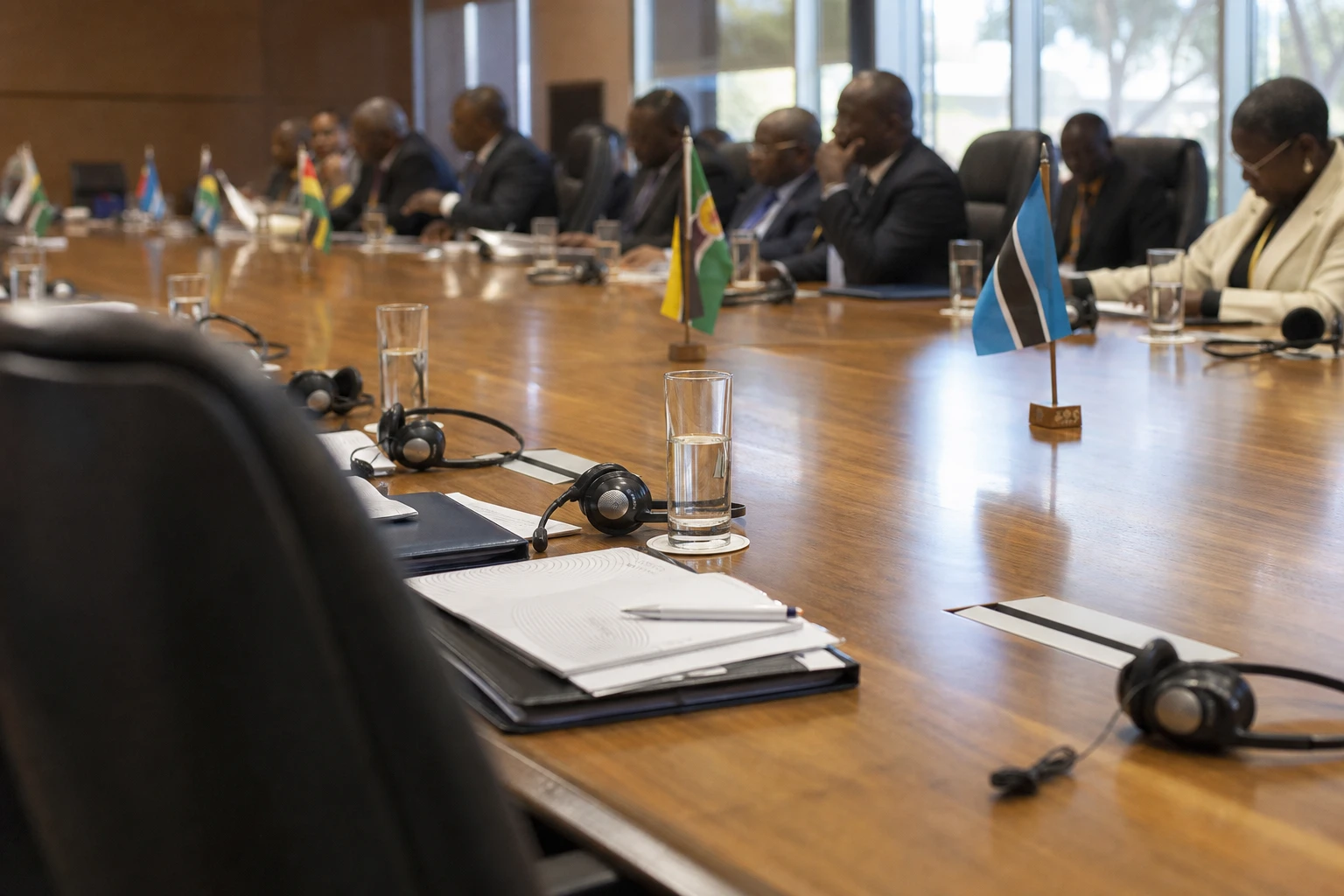
At the continental level, the case connects to a broader question: how do African states protect their athletes, sporting venues and training neighbourhoods? The African Union and regional organisations such as SADC have long championed the idea of sport as a force for cohesion. But on the ground, outcomes depend on police, courts, municipalities and federations. The next judicial steps in Mdantsane will show whether the Zolani Tete case becomes just another file, or a moment of reckoning over gun violence and the safety of sport in South Africa.