Algeria
 Egypt
 Libya
 Morocco
 Sudan
 Tunisia
 Benin
 Burkina Faso
 Cabo Verde
 Côte d'Ivoire
 Ghana
 Guinea
 Guinea-Bissau
 Liberia
 Mali
 Mauritania
 Niger
 Nigeria
 Senegal
 Sierra Leone
 The Gambia
 Togo
 Cameroon
 Central African Republic
 Chad
 DR Congo
 Equatorial Guinea
 Gabon
 Republic of the Congo
 São Tomé and Príncipe
 Burundi
 Comoros
 Djibouti
 Eritrea
 Ethiopia
 Kenya
 Madagascar
 Malawi
 Mauritius
 Mozambique
 Rwanda
 Seychelles
 Somalia
 South Sudan
 Tanzania
 Uganda
 Angola
 Botswana
 Eswatini
 Lesotho
 Namibia
 South Africa
 Zimbabwe
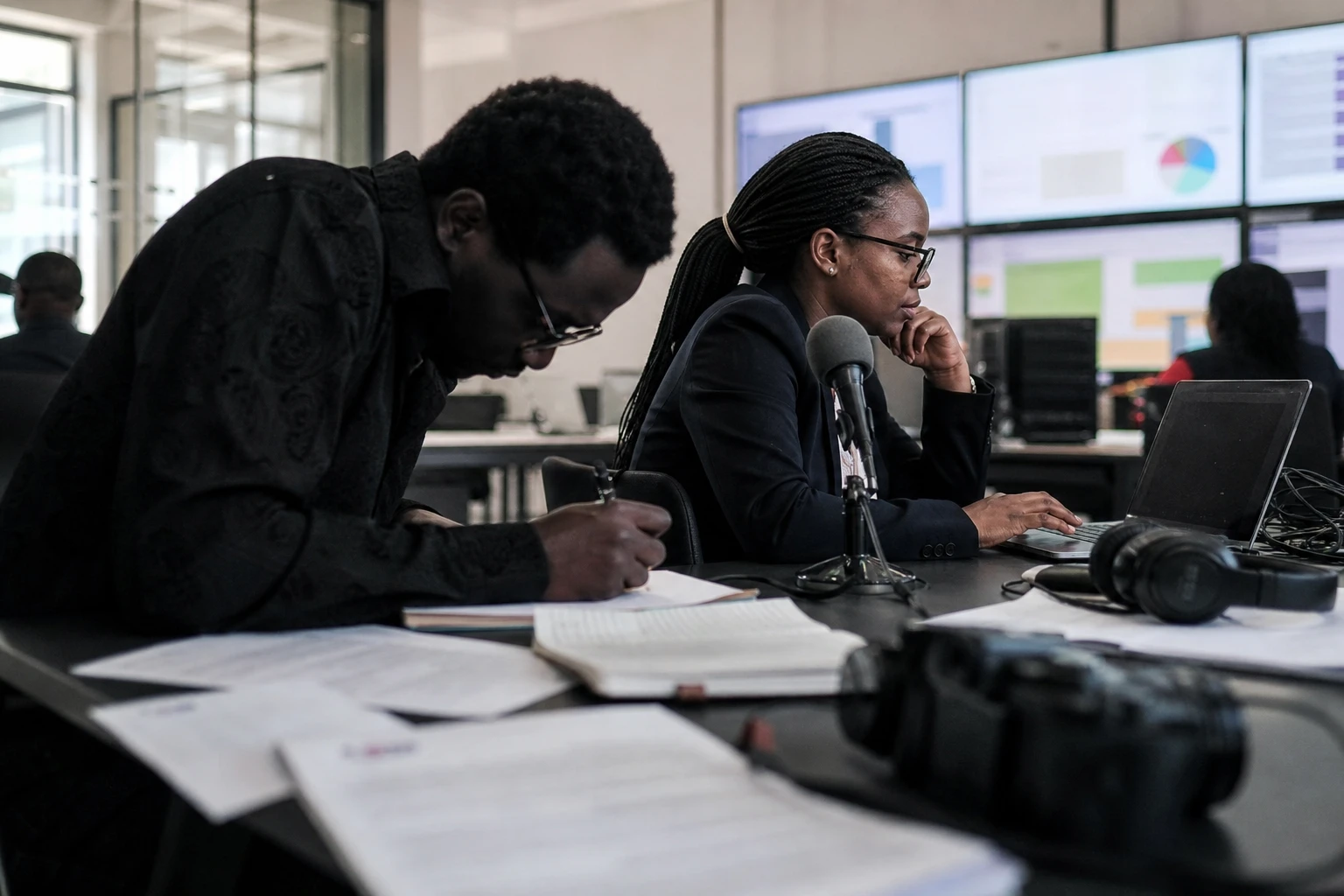
As the count stalls, confidence in the election wavers
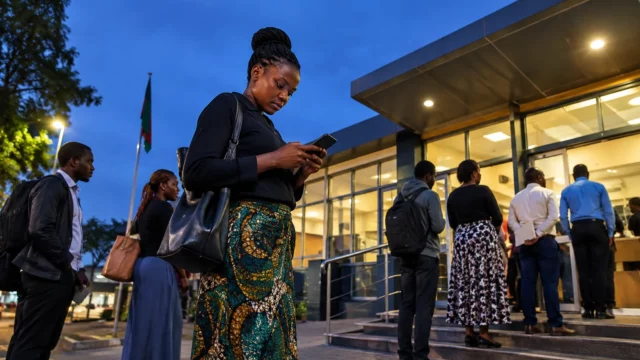
In Lusaka, election night took a more serious turn than expected. In Zambia, the presidential vote count has been suspended for at least 24 hours after reports of violence, attacks on electoral officials and ballot theft in some districts. The electoral commission said it would review its decision within that period.
The country is not voting in a vacuum. The 13 August 2026 presidential election was intended to gauge both the strength of the incumbent government and the opposition’s ability to turn social discontent into a change of power. The election is being organised by the Electoral Commission of Zambia, which plans to announce the results on 17 August 2026, according to its official timetable.
Zambia, a test for southern Africa
This election matters far beyond Zambia’s borders. Zambia is a member of the Southern African Development Community (SADC), which deployed an observer mission to monitor the vote from polling through to the count. The regional mission was due to present a preliminary statement on 15 August 2026, underlining that transparency in the process remains a shared concern across the region.
Institutionally, Zambia has long been regarded as having one of southern Africa’s most stable electoral frameworks. The African Union reiterated that reputation after the 2021 general elections, held in a competitive but orderly climate. The crisis on 14 August 2026 is therefore not only raising local political tensions; it is also calling into question the institutions’ ability to protect a democratic achievement built up patiently over time.
Incumbent President Hakainde Hichilema was seeking a second term after coming to power in 2021. In the days before the vote, he urged voters to be patient and remain calm, while the Human Rights Commission said it was closely monitoring arrests, detentions and pressure targeting candidates, their supporters and journalists.
The facts: a suspension, accusations and a victory already claimed
The breakdown came during the count. Speaking to the press in Lusaka, the director of elections said the commission had taken its decision because of “reports of violence” during the counting and announcement of results in some districts. The official wording also highlights the “security situation” and “continuing threats of violence”.
At the same time, Brian Mundubile, described as the head of an opposition coalition and the main challenger to the president, said he had won the presidential election and a parliamentary majority. He also warned that any delay could open the door to manipulation. At this stage, this remains the claim of a political camp, not an official result.
The electoral timetable had nevertheless set 17 August 2026 as the start of the results announcement. The suspension of the count therefore creates a gap between the planned procedure and the reality on the ground. In a presidential election with 14 candidates, every hour of uncertainty weighs more heavily, fuelling rumours and anxiety and intensifying competition between collation centres.
The opposition had already denounced several weeks of tense campaigning. Local media had reported allegations of political violence, while the electoral commission called for restraint. This tension is not a minor matter: it directly affects the credibility of the result, especially in areas where polling stations or counting centres are more exposed to pressure.
What this episode says about Zambia’s economy and the balance of political forces
The election was also a referendum on the economy. Since 2021, Hakainde Hichilema’s government has secured a debt restructuring agreement, revived a programme with the IMF and consolidated some macroeconomic balances. The IMF said in January 2026 that Zambia had reduced macroeconomic imbalances and made progress on debt restructuring. The World Bank, meanwhile, points to a recovery driven by copper, agriculture and services.
But a macroeconomic recovery does not automatically translate into better conditions for households. The cost of living, power cuts and pressure on employment remain major sources of frustration. This is where the political battle is being fought: the government points to stabilisation, while the opposition says recovery is taking too long to benefit the majority.
Copper gives Zambia particular weight in the region. The country remains a central mining player in southern Africa, with markets that attract manufacturers, energy companies and businesses linked to the shift to electric power. A contested election in such a country is therefore not only a matter of domestic governance; it also affects perceptions of political risk in an economy that is strategically important to the continent’s value chains.
This episode is also a reminder of a familiar reality for African election observers: when the transmission of results is delayed, even a minor local incident can become a national issue. Zambia’s legal framework provides for regulated voting and counting procedures, with official results published by the electoral authority, but these safeguards are effective only if security, observer access and the flow of information remain under control.
Across the continent, the episode will be watched by SADC observers and, more broadly, by African institutions committed to electoral standards. The next steps will unfold before 17 August 2026, when the commission will say whether it is resuming the count without incident and whether it can publish credible results. That is when the resilience of Zambian democracy will be measured in practice.