Algeria
 Egypt
 Libya
 Morocco
 Sudan
 Tunisia
 Benin
 Burkina Faso
 Cabo Verde
 Côte d'Ivoire
 Ghana
 Guinea
 Guinea-Bissau
 Liberia
 Mali
 Mauritania
 Niger
 Nigeria
 Senegal
 Sierra Leone
 The Gambia
 Togo
 Cameroon
 Central African Republic
 Chad
 DR Congo
 Equatorial Guinea
 Gabon
 Republic of the Congo
 São Tomé and Príncipe
 Burundi
 Comoros
 Djibouti
 Eritrea
 Ethiopia
 Kenya
 Madagascar
 Malawi
 Mauritius
 Mozambique
 Rwanda
 Seychelles
 Somalia
 South Sudan
 Tanzania
 Uganda
 Angola
 Botswana
 Eswatini
 Lesotho
 Namibia
 South Africa
 Zimbabwe
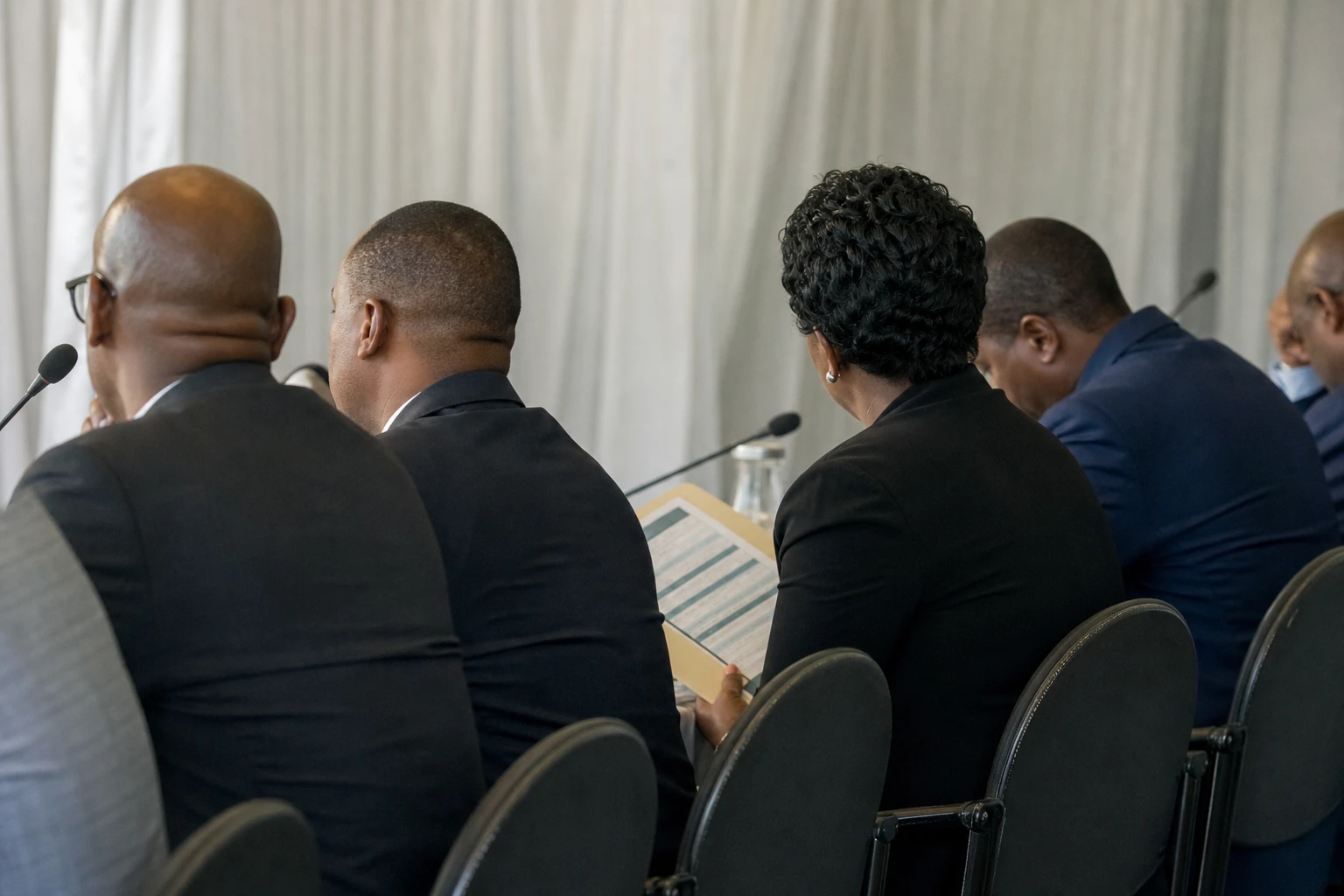
A campaign under social pressure in Lusaka
In Zambia, the vote on Thursday 13 August 2026 is not simply a contest between an incumbent president and his main rival. In Lusaka and across the provinces, many voters are judging their everyday lives above all. The price of maize, electricity, fuel and transport weighs more heavily than campaign slogans. That is where the election will be decided: has the macroeconomic stability proclaimed by the government reached Zambian households yet?
The election comes after five years of a term focused on economic recovery. President Hakainde Hichilema has highlighted debt restructuring, inflation control and the restoration of the country’s financial credibility. But the political question is tougher: in an economy still highly sensitive to food and energy prices, are national indicators enough to convince a population that compares its budget with market prices every day?
An election on a set timetable, overseen by the Electoral Commission and watched by the region
The electoral process is already under way. The revised timetable set by the Electoral Commission of Zambia schedules the first round of the presidential election for Thursday 13 August 2026. It also sets out the opening of nominations, the campaign period, the count and the announcement of results a few days later. The institution has even detailed the entire process in an official document, showing that the election is being prepared as a major institutional event, not merely a party exercise.
Zambia is also counting on regional scrutiny. A founding member of the Southern African Development Community (SADC), the country is hosting the organisation’s electoral mission this year. This monitoring is no trivial matter: in southern Africa, the credibility of the vote remains an important marker of political stability and economic confidence. Lusaka knows its election will be judged beyond its borders, in a region where the movement of capital, workers and goods also depends on political predictability.
The institutional context has also shifted with the creation of 70 new parliamentary constituencies ahead of the 2026 elections. The redistricting changes local representation and could redistribute the balance between urban areas, mining regions and rural provinces. It is a technical point, but it matters: in Zambia, electoral geography directly affects how votes are converted into seats and, in turn, a political majority.
What the economic and political facts tell us
On paper, the economic picture has improved. Zambia has regained some breathing space after its 2020 default, and the authorities have made progress on restructuring more than $12bn in debt. Inflation fell sharply over the course of 2026, to 7.1% in March, according to the Bank of Zambia, and then 7.5% in February, according to the national statistics agency. But this decline does not tell the whole story. Households are still absorbing tangible increases in food and energy costs.
This is where the fragility of the president’s record lies. Hichilema can claim financial normalisation, a more reassuring climate for investors and greater predictability for the kwacha. Yet the cost of living remains the political language voters hear most clearly. In June, the Jesuit Centre for Theological Reflection, through its monitoring of the cost of living basket, reported that macroeconomic progress was coexisting with persistent pressure on low incomes, particularly because of charcoal and household energy expenses. In short, the recovery is not being shared equally between city centres and outlying neighbourhoods, or between formal-sector employees and the informal economy.
The political contest remains open, even if the incumbent has the advantage of the state machinery. The opposition is relying mainly on Brian Mundubile, presented as the leading challenger in a field that includes 13 other candidates. This fragmentation could benefit the government if opposition votes fail to coalesce in the psychological second round that a majority vote of 50% plus one sometimes represents. Zambia’s system requires an absolute majority to win in the first round, keeping open the possibility of another trip to the polls if no candidate crosses that threshold.
The real challenge: turning indicators into visible improvements
For Zambians, the question is not simply whether the country is doing better in the markets. It is whether the reported gains can be seen in the household shopping basket, the cost of public transport, the price of charcoal or the electricity bill. In Lusaka, the middle classes are waiting for more reliable public services. In rural areas, the priorities remain access to roads, healthcare and agricultural markets. The government talks of recovery. Voters want tangible results.
The other challenge is the quality of democratic debate. The authorities have called for a peaceful and credible campaign, and the Electoral Commission has put a detailed timetable in place. But several recent episodes have shown how quickly the pre-election climate can turn tense. Temporary campaign restrictions have already been reported in some constituencies, while organisations and women activists have denounced pressure on female candidates. This is not a peripheral detail: the way female candidates, opponents and observers are treated will say a great deal about the strength of the process.
In this context, SADC’s presence and the attention paid to the election go beyond Zambia alone. Southern Africa is watching a country that remains a mining, agricultural and commercial crossroads, at the heart of value chains that matter across the continent. Copper, infrastructure, debt and electoral reforms are not of interest to Lusaka alone. They also matter to regional partners, African investors and neighbouring states that need a stable Zambia to keep goods, people and energy moving. The 13 August vote will therefore say more than who has won. It will show whether the promise of economic recovery can still win political support.