
 Algeria
 Egypt
 Libya
 Morocco
 Sudan
 Tunisia
 Benin
 Burkina Faso
 Cabo Verde
 Côte d'Ivoire
 Ghana
 Guinea
 Guinea-Bissau
 Liberia
 Mali
 Mauritania
 Niger
 Nigeria
 Senegal
 Sierra Leone
 The Gambia
 Togo
 Central African Republic
 Chad
 DR Congo
 Equatorial Guinea
 Gabon
 Republic of the Congo
 São Tomé and Príncipe
 Burundi
 Comoros
 Djibouti
 Eritrea
 Ethiopia
 Kenya
 Madagascar
 Malawi
 Mauritius
 Mozambique
 Rwanda
 Seychelles
 Somalia
 South Sudan
 Tanzania
 Uganda
 Angola
 Botswana
 Eswatini
 Lesotho
 Namibia
 South Africa
 Zambia
 Zimbabwe
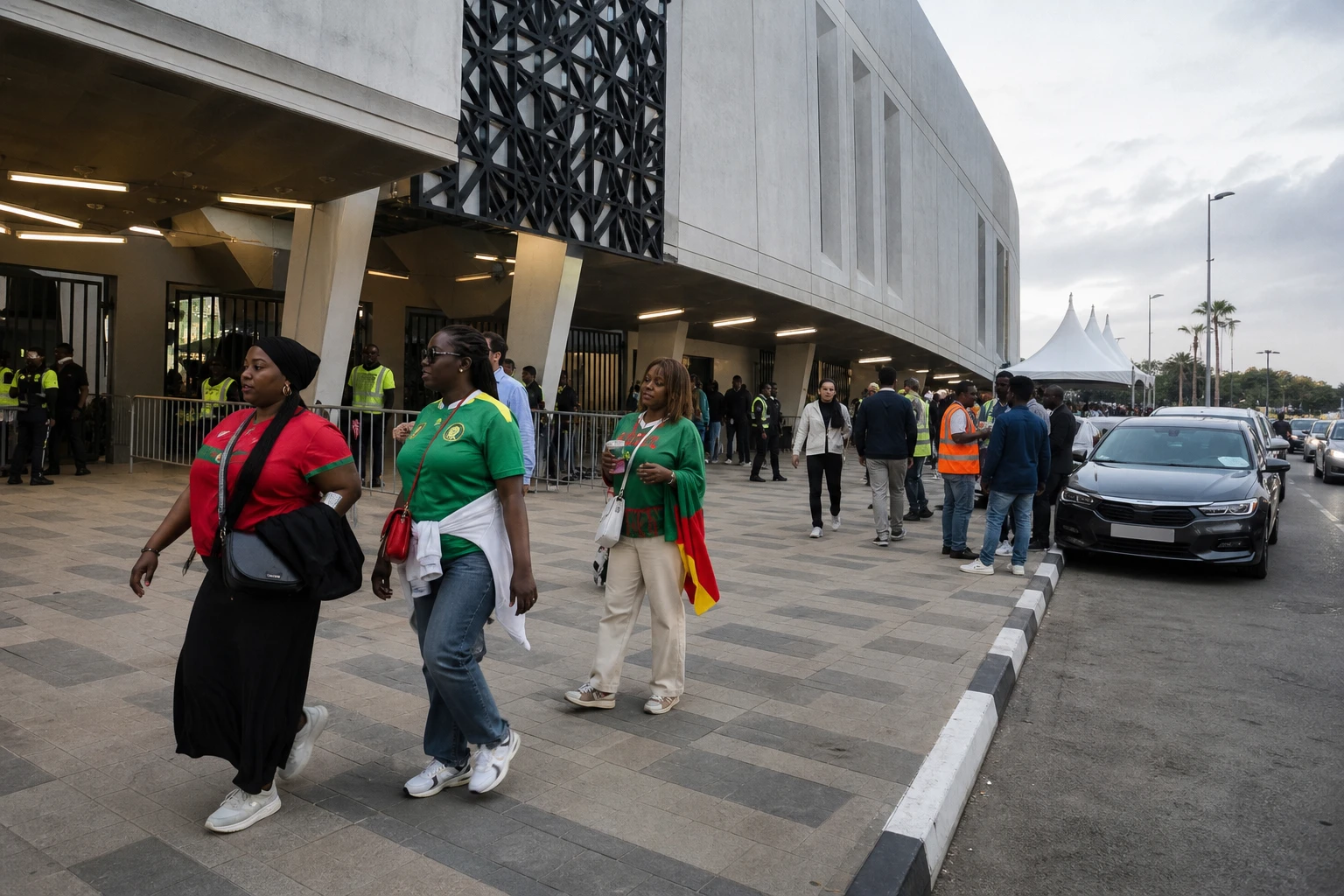
One last fixture before the quarter-finals
In Casablanca, Cameroon go into their final group match in the unusual position of having already secured the essentials, while still having something to play for. Three wins in the first round would send a clear signal ahead of the quarter-finals of the 2026 Women’s Africa Cup of Nations in Morocco. The match against Cape Verde takes place on Thursday 6 August at Larbi Zaouli Stadium, in Group D, which is based in Casablanca.
The context goes beyond the result alone. In a Women’s Africa Cup of Nations that also showcases football across the continent, a team’s ability to handle a third match without losing focus says a great deal about its maturity. For Cameroon, a Central African country and member of CEMAC, women’s football is as much a marker of its image as a sporting competition. In Yaoundé and other sub-regional capitals, this kind of campaign draws public attention and highlights the place of women’s sport in the national narrative.
Cameroon have done the job; Cape Verde are discovering the level
The facts are straightforward. After two rounds, Cameroon have six points from wins over Mali, 2-1, and Ghana, 1-0. Those results have already secured them top spot in Group D and qualification for the quarter-finals. Cape Verde, meanwhile, have lost their first two matches and are already eliminated, although their first appearance has hinted at progress in attack.
CAF’s official schedule confirms the place of this fixture in the third round. Group D comprises Ghana, Cameroon, Mali and Cape Verde, with matches scheduled in Casablanca. The 2026 edition is the 14th Women’s Africa Cup of Nations, being held in Morocco from 26 July to 16 August 2026, with 16 teams in the finals.
Cape Verde have already made their mark, however. Against Mali, the Cape Verdean players scored the first two goals in their history in the competition. They also produced a more controlled spell, with more possession and a higher number of successful passes. For a country making its debut at this level, the learning is evident in the details as much as in the score.
A consistent team, a revealing tournament
Cameroon, meanwhile, continue to draw on a strong continental tradition. The Indomitable Lionesses have progressed from the group stage in every edition of the Women’s Africa Cup of Nations they have entered, and are on a long unbeaten run in group-stage matches. CAF also notes that they are accustomed to starting tournaments seriously and staying competitive through to the knockout rounds.
This consistency is valuable in African women’s football, which is still developing at different speeds across countries. Established powers such as Nigeria, South Africa and Zambia have a broader base. Others, like Cape Verde, have made faster progress recently. In this landscape, expectations remain high for Cameroon. They are not playing merely to advance. They are playing to confirm that they still belong among the leading teams.
Marie Ngah Manga has embodied this successful start to the tournament. The forward scored against Mali and then against Ghana, from the penalty spot, becoming the first Cameroonian since Ajara Nchout to score in each of the first two matches of the same edition of the Women’s Africa Cup of Nations. This statistic says something about the attacking consistency the Cameroon coaching staff are seeking.
For Cape Verde, the tournament is above all a foundation. The country secured qualification after beating Mali over two legs, 4-3 on aggregate, paving the way for a historic first appearance in the competition. In a region where emerging teams often struggle to turn a one-off achievement into lasting progress, this presence at the Women’s Africa Cup of Nations is already a significant milestone.
What this match says beyond the standings
On the pitch, Cameroon now have to manage a familiar balance: maintain their momentum without taking unnecessary risks. A perfect first round builds confidence, but can also lead to a degree of complacency. The coach therefore faces a dual task: maintain intensity while managing players’ workload ahead of the quarter-final. In a short tournament, fitness becomes a strategic factor.
For the Cameroon players, this final matchday is also an opportunity to establish an internal pecking order. The starters want to keep their places. The substitutes want to show they can make an impact. Matches of this kind often prepare a team for more than the scoreboard suggests. They test squad depth, control in difficult spells and the ability to stay focused against an opponent free of any qualification pressure.
Cape Verde, for their part, are playing to leave the tournament with a more substantial impression than simply finishing on zero points. For a first appearance, the aim is not only to hold their own, but to lay the foundations of a style of play and establish benchmarks. The progress seen against Mali shows that a team can lose without disappearing from the match. That is often where a lasting trajectory begins.
A local fixture, a continental perspective
Across Africa, this match neatly sums up the 2026 Women’s Africa Cup of Nations: established nations, outsiders in the making and a Moroccan tournament giving women’s football greater visibility. The schedule, the stadiums in Casablanca and Rabat, and direct qualification for the 2027 Women’s World Cup all add weight to every group match. Thursday’s result will therefore matter well beyond Group D alone.
For Cameroon, the stakes are also symbolic. The country is accustomed to major continental competitions, but every campaign reshapes part of its standing. A well-managed group stage strengthens the credibility of Cameroonian women’s football as it seeks consistency. For Cape Verde, the priority lies elsewhere: turning a first qualification into a credible starting point for the years ahead.
On Thursday evening in Casablanca, the scoreboard will not simply show who has won one more match. It will also indicate how far an established team can maintain its standing, and how quickly a newcomer can progress. In a Women’s Africa Cup of Nations where every detail matters, this is often where lasting cycles take shape.



