Algeria
 Egypt
 Libya
 Morocco
 Sudan
 Tunisia
 Benin
 Burkina Faso
 Cabo Verde
 Côte d'Ivoire
 Ghana
 Guinea
 Guinea-Bissau
 Liberia
 Mali
 Mauritania
 Niger
 Senegal
 Sierra Leone
 The Gambia
 Togo
 Cameroon
 Central African Republic
 Chad
 DR Congo
 Equatorial Guinea
 Gabon
 Republic of the Congo
 São Tomé and Príncipe
 Burundi
 Comoros
 Djibouti
 Eritrea
 Ethiopia
 Kenya
 Madagascar
 Malawi
 Mauritius
 Mozambique
 Rwanda
 Seychelles
 Somalia
 South Sudan
 Tanzania
 Uganda
 Angola
 Botswana
 Eswatini
 Lesotho
 Namibia
 South Africa
 Zambia
 Zimbabwe
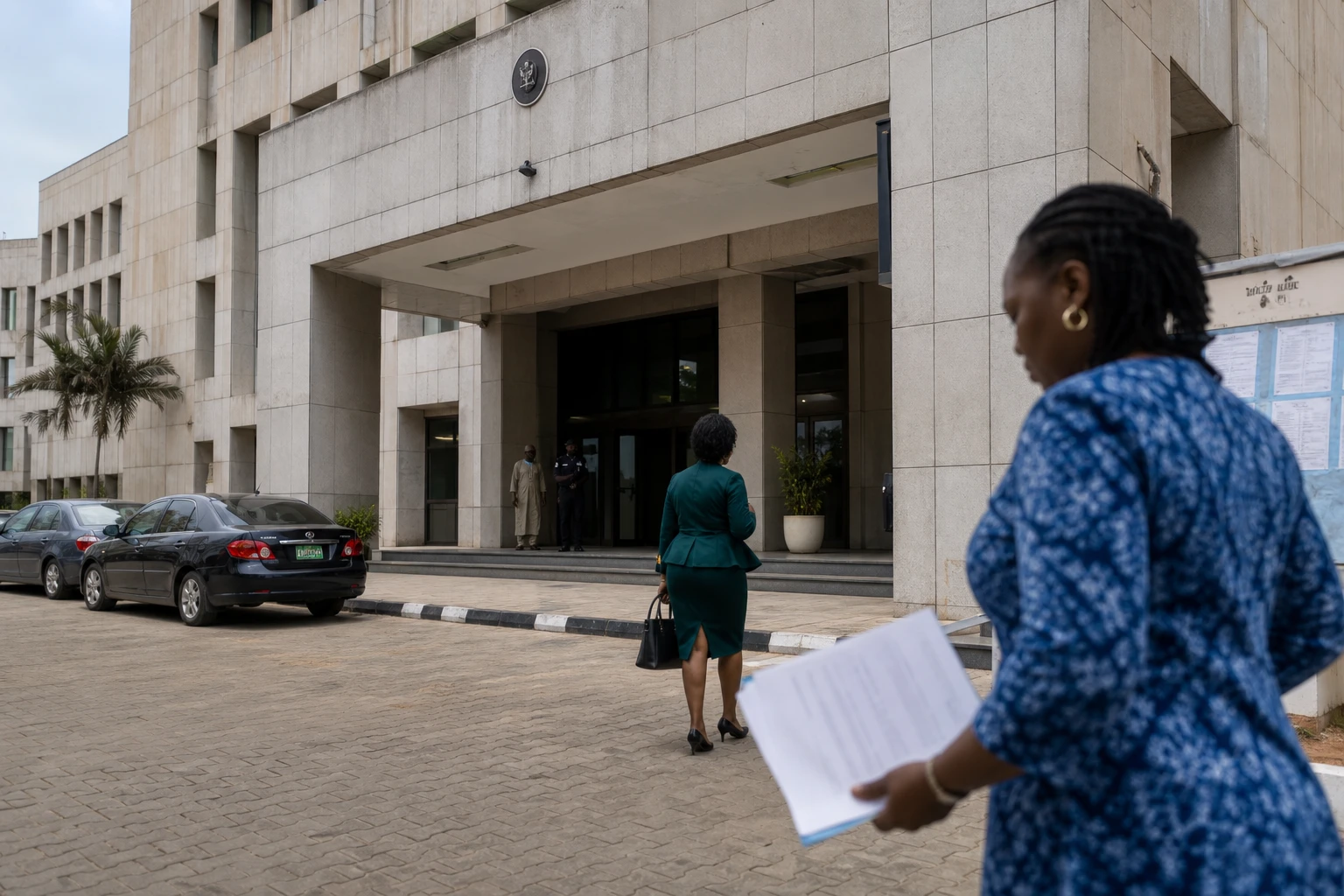
In Nigeria, support for soldiers is also a matter of public stability
In a country where armed attacks, kidnappings and counter-jihadist operations have weighed on the security forces for years, pay is no administrative detail. It affects morale, troop availability and, more broadly, the Nigerian state’s ability, from Abuja, to hold the line against multiple threats. The pay increase announced by the presidency is part of this effort to sustain the war effort, as the government also makes a series of announcements on modernising the military and increasing troop numbers.
The situation remains tense. In the north-east, the jihadist insurgency continues to draw in the army. In the north-west, armed banditry causes displacement and weakens the local economy. In several regions, insecurity is compounded by kidnappings for ransom and more diffuse communal violence. This pressure has fuelled public debate in recent weeks about soldiers’ living standards, following an initial increase in the minimum salary for soldiers, which the defence minister said had been raised to 100,000 naira.
A staggered increase by rank, from 1 September
The measure announced by Bola Tinubu provides for pay rises of 30% to 80% for armed forces personnel. Other ranks, from private to warrant officer, would receive the largest increase, set at 80%. Officers from colonel to warrant officer would see their pay rise by 50%, while generals would receive a 30% increase. The announced effective date is 1 September.
According to figures cited by the presidency and reported by several Nigerian media outlets, nearly 250,000 military personnel are affected. The armed forces’ annual wage bill would then rise from 660 billion to 924 billion naira, an increase of close to 40%. This budgetary increase reflects a clear political choice: to invest more in human resources, following repeated criticism of low pay and delays to some previously promised increases.
This shift did not come out of nowhere. In December 2024, the Ministry of Defence had already announced a pay rise and the payment of arrears, in the name of military personnel’s welfare. In July 2026, the defence minister also confirmed that the minimum monthly pay for soldiers had been raised to 100,000 naira, from 49,000. The latest announcement therefore marks an acceleration rather than a break with the past.
Troop morale, the cost of living and budgetary trade-offs
On the ground, pay is about more than the payslip. It affects the military’s ability to retain personnel, prevent declining morale and carry out lengthy missions, often far from families. In an economy marked by inflation and pressure on purchasing power, military personnel, like other public servants, are affected by the rising cost of living. Criticism from serving soldiers, veterans and former senior officers has focused on the gap between the risks they face and the pay they receive.
The government faces a twofold challenge. It must, on the one hand, protect personnel deployed in the most exposed areas. On the other, it must preserve the sustainability of public finances. Nigeria is emerging from years of severe budgetary pressures, and every increase in the wage bill requires trade-offs with other priorities: infrastructure, health, education or support for economic activity. The presidency nevertheless emphasises a broader strategy combining better pay, improved equipment and the modernisation of units.
This view also reflects a wider assessment by the Nigerian authorities: security depends not only on firepower, but also on the condition of the troops, training and internal cohesion. The Ministry of Defence says it is now working on technological solutions, expanding troop numbers and strengthening logistics. Pay increases are therefore becoming a tool of security policy, not merely a social measure.
A signal to ECOWAS and the region’s armed forces
Beyond Nigeria, the decision is of interest across West Africa. The country remains a central player in ECOWAS, the regional organisation that coordinates some security responses to Sahelian terrorism, cross-border crime and forced displacement. When Abuja adjusts military pay, the signal is being watched in Dakar, Lomé, Accra, Cotonou and the capitals of the Gulf of Guinea, where recruitment, retention and troop morale are also becoming strategic concerns.
The issue is attracting even more attention because Nigeria also announced, at the end of July, plans to expand its army to 12 divisions and recruit an additional 28,000 soldiers. Taken together, these choices point to a more assertive doctrine: more personnel, better paid and better equipped, amid persistent insecurity. For the African Union and ECOWAS, the question will be whether this kind of investment has a lasting effect on domestic security, or merely provides a temporary remedy for a deeper crisis in the state’s presence across several regions.
What happens next will hinge on two fronts. First, the publication and effective implementation of the new pay scale from 1 September. Second, the government’s ability to show that the pay rise is accompanied by better operational management and a clear strategy to tackle insecurity. That is where the real impact of this decision taken in Abuja will be measured.