Algeria
 Egypt
 Libya
 Morocco
 Sudan
 Tunisia
 Benin
 Burkina Faso
 Cabo Verde
 Côte d'Ivoire
 Ghana
 Guinea
 Guinea-Bissau
 Liberia
 Mali
 Mauritania
 Niger
 Nigeria
 Senegal
 Sierra Leone
 The Gambia
 Togo
 Cameroon
 Central African Republic
 Chad
 DR Congo
 Equatorial Guinea
 Gabon
 Republic of the Congo
 São Tomé and Príncipe
 Burundi
 Comoros
 Djibouti
 Eritrea
 Ethiopia
 Madagascar
 Malawi
 Mauritius
 Mozambique
 Rwanda
 Seychelles
 Somalia
 South Sudan
 Tanzania
 Uganda
 Angola
 Botswana
 Eswatini
 Lesotho
 Namibia
 South Africa
 Zambia
 Zimbabwe
Major funding for a very real challenge
In Kenya, maternal health is no abstract debate. It is a question of distance, equipment, staff and time lost on the road to hospital. When a woman gives birth in a remote county, the difference between a well-equipped maternity unit and an overstretched service can determine whether she lives. Kenyan health authorities have recently put the issue at the heart of their roadmap, with the EWENE 2026-2028 plan to accelerate the decline in avoidable deaths.
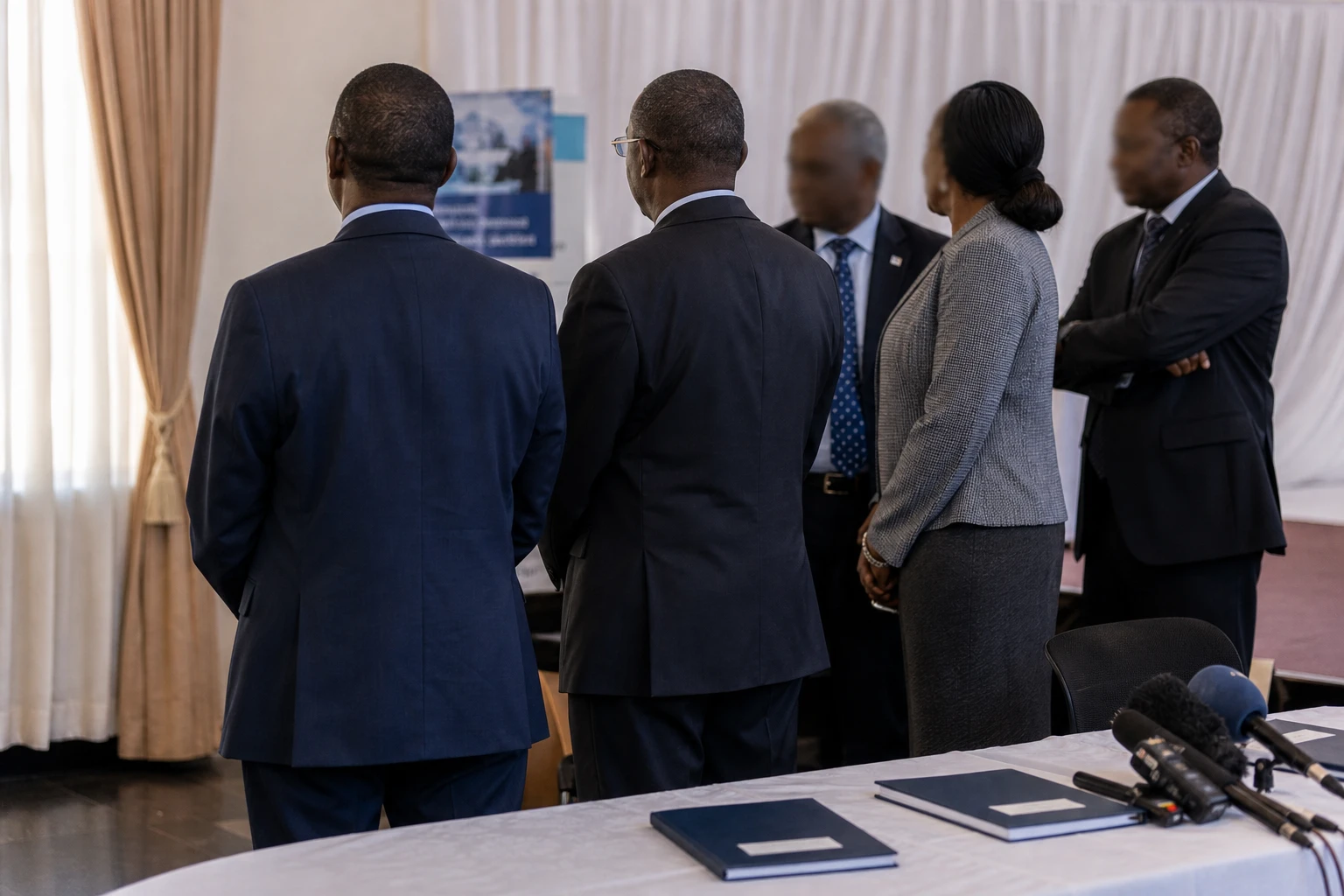
Against this backdrop, the partnership announced between Kenya’s health ministry and the Beginnings Fund takes on particular significance. The fund says it will commit $80m over five years to support maternal and neonatal care in Kenya, where indicators remain high, according to the World Health Organization. The challenge extends beyond foreign aid: it is about strengthening a health system that can endure over the long term, in an East African country where Nairobi is also seeking to better align financing, accountability and universal health coverage.
What the agreement provides
The cooperation framework is primarily aimed at reducing preventable maternal deaths, neonatal deaths and stillbirths. It is also intended to improve the quality of care, innovation, sustainable financing and accountability. According to information released by the ministry, the programme will focus on 21 priority counties and nearly 200 high-volume facilities, with the aim of reaching about 6 million women and newborns by 2030.
The stated priorities are highly practical. They include ensuring the availability of essential medicines, basic supplies and medical technologies, as well as improving maternity and neonatal facilities, strengthening care teams, emergency referral systems and digital health. The Beginnings Fund says it works with African governments on three levers: people, products and systems.
This approach reflects a reality familiar to frontline workers: in Kenya, basic care is more often available than strategic planning is lacking. What is often missing is complete equipment, continuity of supplies, emergency transport and coordination between facilities, sub-counties and counties. The WHO stresses that quality care during labour and immediately after birth remains crucial for both mother and newborn.
Indicators remain high
Kenya still has a maternal mortality ratio of about 355 per 100,000 live births, according to the WHO and reference documents used by health authorities and their partners. The country also records about 30,400 stillbirths a year. Neonatal mortality stands at 21 per 1,000 live births, while the international target is 12 by 2030. These figures place the challenge at a persistently high level, despite real progress in coverage of skilled birth attendance.
The picture is more nuanced than it may seem. In Kenya, nearly 89% of births are attended by a skilled professional, but this does not guarantee comprehensive obstetric care. The country’s reference documents indicate that only 5% of facilities have all the equipment needed for obstetric emergencies. In other words, the presence of a health worker is not enough if the care chain breaks at a critical moment.
The regional stakes are significant. Sub-Saharan Africa has the world’s highest neonatal mortality rate, and the WHO says investment in emergency obstetric care and units for vulnerable newborns can deliver rapid gains. Kenya is therefore part of a broader struggle shared by East African Community countries, where strong health systems also underpin mobility, health security and public trust in services.
What this means in practice
For the Kenyan government, the agreement serves a clear political goal: to show that health reform is not based solely on the promise of universal coverage, but on measurable results in the most vulnerable counties. In spring 2026, the health ministry had already launched several initiatives to strengthen the monitoring of maternal and perinatal deaths, with dedicated committees and regular case reviews. The new agreement fits into this sequence.
For families, the stakes are more immediate. In urban centres, improvements could mean faster services, smoother emergency referrals and more functioning equipment. In rural or more remote areas, the benefits will depend above all on the actual availability of medicines, ambulances, midwives and neonatal units. If these links remain weak, the money may be diluted before it reaches the delivery room.
The role of philanthropic funding should also be viewed with caution. The Beginnings Fund, launched in 2024, says it aims to mobilise private capital and public partnerships in ten African countries, with an investment team based in Nairobi. This could accelerate targeted projects, but the outcome will depend on alignment with national plans, county capacity and the sustainability of procurement and recruitment once the five years are over.
A programme to watch through 2030
Across the continent, the Kenyan initiative reflects a broader trend: African countries are seeking to take greater control of maternal and neonatal health, not only through announcements but also through stronger monitoring, data and financing systems. The African Union and its partners are increasingly focusing on service quality, local production of health solutions and the ability of systems to withstand shocks. Kenya, which also launched a strategy for local production of health products in 2026, clearly wants to link these efforts.
The next phase will be decided by implementation, not the signing ceremony. Observers will be watching how funds are actually allocated by county, whether maternity units are upgraded, whether teams are available and whether indicators fall in priority areas. If the 21 targeted counties make progress, the agreement could become a regional example. Otherwise, it will join the long list of ambitious commitments held back by the gap between decision-making centres and the frontline.