Algeria
 Egypt
 Libya
 Morocco
 Sudan
 Tunisia
 Burkina Faso
 Cabo Verde
 Côte d'Ivoire
 Ghana
 Guinea
 Guinea-Bissau
 Liberia
 Mali
 Mauritania
 Niger
 Nigeria
 Senegal
 Sierra Leone
 The Gambia
 Togo
 Cameroon
 Central African Republic
 Chad
 DR Congo
 Equatorial Guinea
 Gabon
 Republic of the Congo
 São Tomé and Príncipe
 Burundi
 Comoros
 Djibouti
 Eritrea
 Ethiopia
 Kenya
 Madagascar
 Malawi
 Mauritius
 Mozambique
 Rwanda
 Seychelles
 Somalia
 South Sudan
 Tanzania
 Uganda
 Angola
 Botswana
 Eswatini
 Lesotho
 Namibia
 South Africa
 Zambia
 Zimbabwe
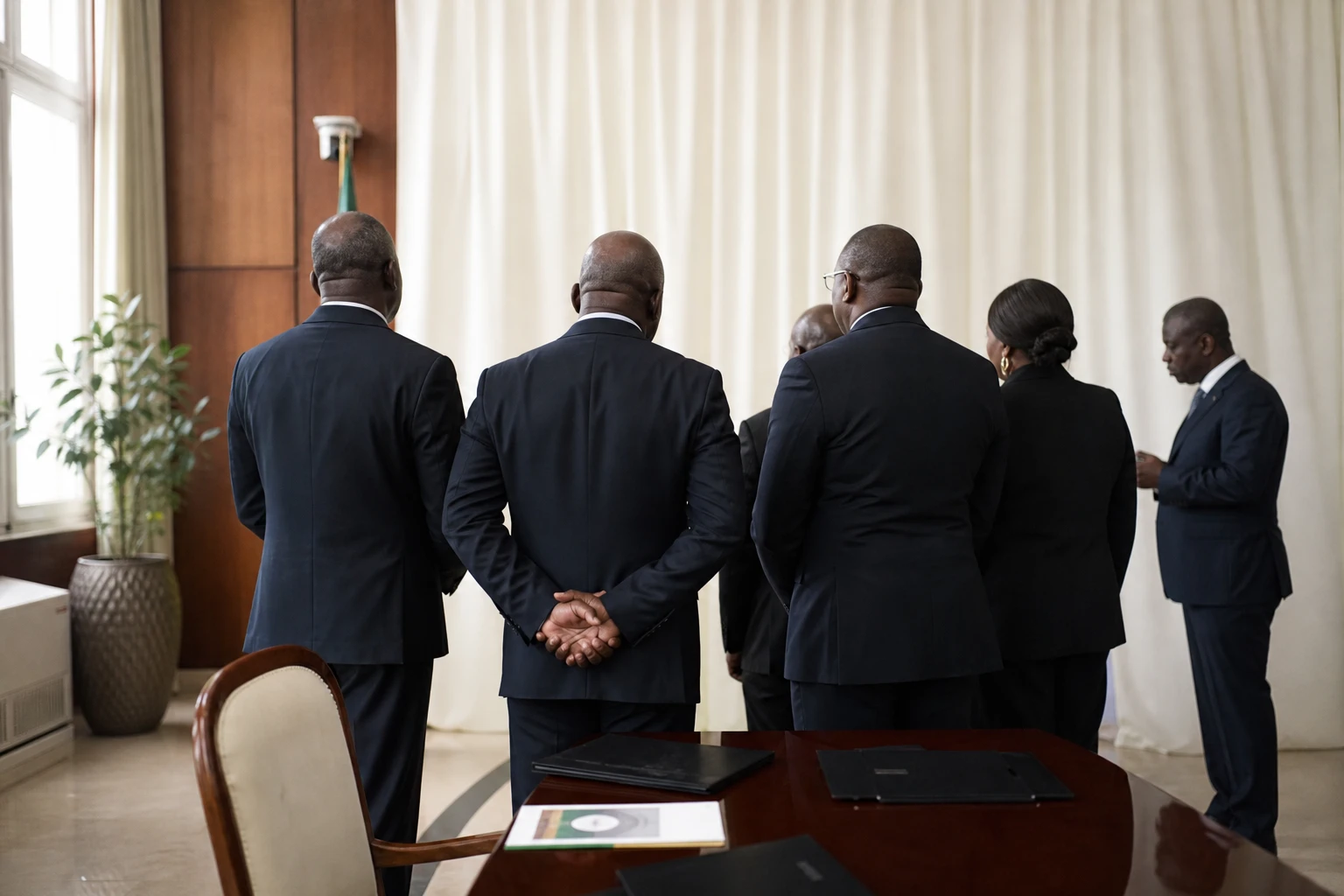
A pardon that says something about the mood of the times
In Benin, acts of presidential clemency are never merely legal. They also reflect the political climate in a country where public debate, social media and electoral competition remain closely monitored. The release of Julien Kandé Kansou, an opposition activist, comes in this context, as Porto-Novo celebrates independence and the new presidency finds its feet.
The decision carries particular weight because it concerns a well-known opposition figure, writer, columnist and member of the Democrats’ communications team. It also comes after a series of disputes over civil liberties, in a country seeking to consolidate institutional stability while remaining under the close watch of ECOWAS, the Economic Community of West African States.
What is known about the Kandé Kansou case
Julien Kandé Kansou was arrested on 6 June 2025 and then prosecuted before the Court for the Repression of Economic Offences and Terrorism (CRIET), a specialised court in Benin. The charges against him concerned harassment through an electronic system and incitement to rebellion. On 28 April 2026, he was sentenced to 24 months in prison and fined 10 million CFA francs.
According to several Beninese media outlets and an NGO summary, the case stemmed from a video in which he criticised a proposal to raise internet taxes and called for an “electoral revolution”. The episode also highlights a sensitive issue in Benin: digital platforms have become a political arena in their own right, but also a setting for judicial repression when the authorities consider criticism to have gone too far.
On 1 August 2026, on the occasion of the national holiday, the announced presidential pardon secured his release from Ouidah prison. Under Beninese law, a pardon is an act of clemency granted by the head of state after an opinion from the Superior Council of the Judiciary. On 16 July 2026, the Ministry of Justice had warned of scams involving people being charged for supposed registration on lists of beneficiaries.
The fact that several hundred other inmates also benefited from the measure confirms that this was not an isolated gesture. But the Kandé Kansou case attracted attention because it involves an opposition political figure, and because his family and supporters have spent months calling for it to be treated as a freedom-of-expression issue rather than simply a criminal case.
A political signal in a country in transition
The move comes a few weeks after Romuald Wadagni took office as head of state. The Constitutional Court confirmed the result of the 12 April 2026 presidential election on 16 April, and the inauguration took place on 24 May 2026 in Cotonou. In this context, the presidential pardon also becomes an early test of his approach: strict continuity or measured openness to critical voices.
According to the Presidency, Wadagni has already set the tone for the start of his term with an emphasis on public service and being close to the people. But the case of detained opposition figures remains a fundamental issue. The Democrats, the main opposition party, saw its political space shrink during the 2026 electoral cycle, and several human rights organisations documented a tightening of the civic climate under the previous government.
For the government, the pardon sends a message of appeasement without reopening the entire judicial debate. For the opposition, it does not resolve everything. Better-known cases, such as those of Reckya Madougou and Joël Aïvo, remain central to discussions about political prisoners and the real place of pluralism in Benin today. The 1 August measure therefore eases pressure, but does not close the chapter on political justice.
This gesture must also be viewed through the lens of social dynamics. In cities, especially Cotonou, the freedom to comment on current affairs online now matters as much as neighbourhood rallies. In the regions, security, employment and the cost of living are often the main concerns. Any decision on political prisoners or digital offences therefore affects both the regime’s reputation and citizens’ day-to-day trust.
West African implications and vigilance ahead
Benin does not operate in isolation. To the west and north, the sub-region remains exposed to growing terrorist threats, fragile borders and tensions over governance. Cotonou, Dakar, Lomé and Abidjan are stepping up exchanges on security and integration, showing how a domestic decision can quickly become a signal watched across West Africa.
In this landscape, the pardon granted to Julien Kandé Kansou has significance beyond his individual case. It tests the Beninese government’s ability to ease pressure without losing control, and to combine institutional firmness with democratic breathing space. What happens next will show whether the 1 August gesture remains a symbolic episode or opens a broader period of political détente in a country where every decision on civil liberties is watched far beyond Porto-Novo.