Algeria
 Egypt
 Libya
 Morocco
 Sudan
 Tunisia
 Benin
 Burkina Faso
 Cabo Verde
 Côte d'Ivoire
 Ghana
 Guinea
 Guinea-Bissau
 Liberia
 Mali
 Mauritania
 Niger
 Nigeria
 Senegal
 Sierra Leone
 The Gambia
 Togo
 Cameroon
 Central African Republic
 Chad
 DR Congo
 Equatorial Guinea
 Gabon
 Republic of the Congo
 São Tomé and Príncipe
 Burundi
 Comoros
 Djibouti
 Eritrea
 Kenya
 Madagascar
 Malawi
 Mauritius
 Mozambique
 Rwanda
 Seychelles
 Somalia
 South Sudan
 Tanzania
 Uganda
 Angola
 Botswana
 Eswatini
 Lesotho
 Namibia
 South Africa
 Zambia
 Zimbabwe
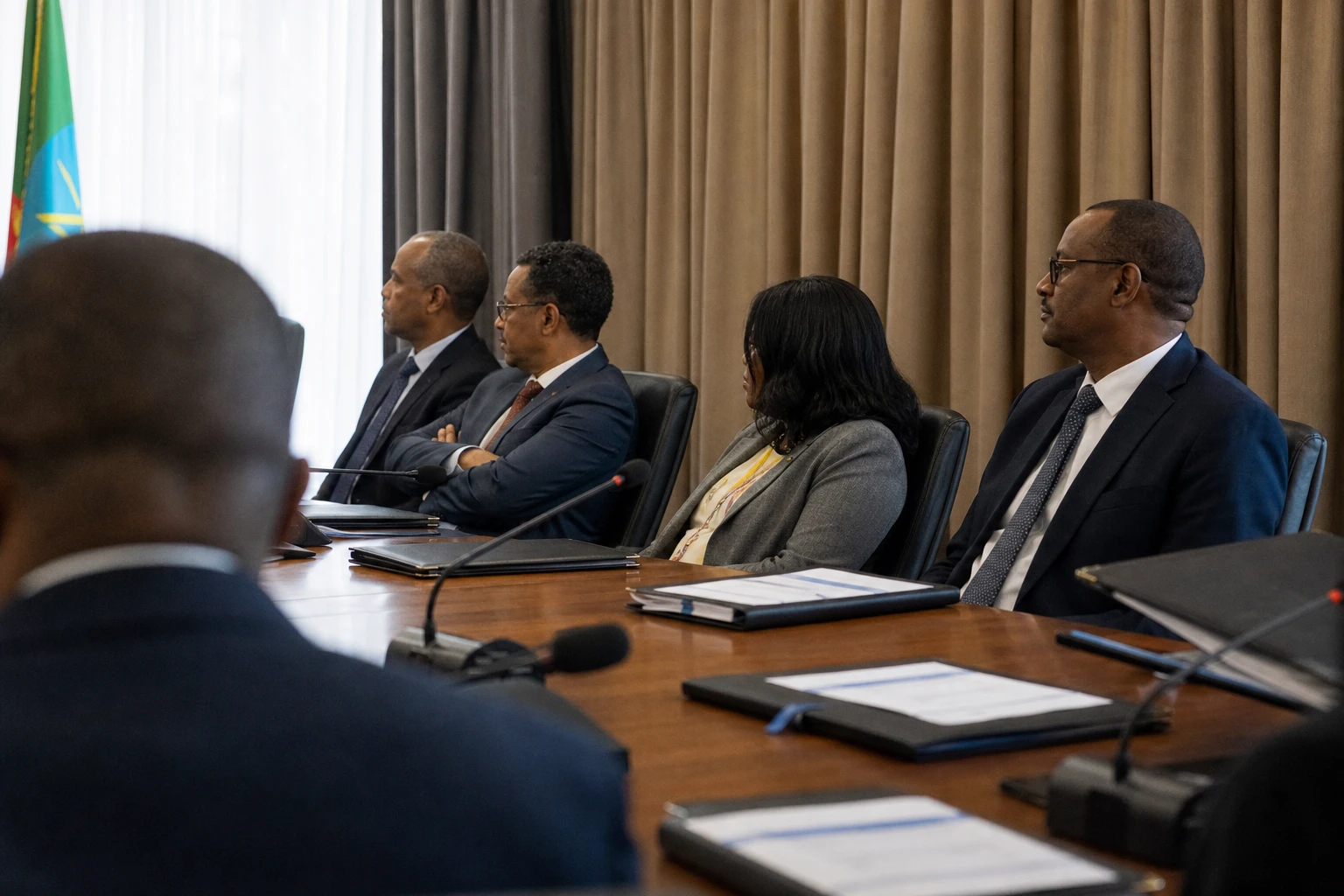
A fragile ceasefire in northern Ethiopia
In northern Ethiopia, the mere sound of artillery is enough to reopen a broader question: has the peace signed in Pretoria really held on the ground? On Saturday 1 August 2026, fighting was reported in western Tigray, near the Sudanese border, as the region remains marked by fault lines that have yet to heal.
The risk extends beyond the local front. Tigray lies at the intersection of several Ethiopian tensions: the territorial dispute with Amhara, strained relations between Addis Ababa and the Tigrayan authorities, and the effects of an already unstable regional environment, from Eritrea to Sudan. In this part of East Africa, every resumption of armed conflict affects the movement of people, goods and aid.
What is known about the clashes
Initial reports say a clash began at about 6am in Shererina, in western Tigray. A senior Tigrayan source says federal forces launched an offensive with heavy artillery. So far, Addis Ababa has not confirmed this account. The forces actually involved therefore remain unclear, as does the precise scale of the fighting.
This uncertainty is not insignificant. In January 2026, Ethiopian Airlines had already suspended flights to Tigray, while officials and aid workers spoke of military movements in the west and south of the region. In late January, Reuters also reported drone strikes that left at least one person dead and another wounded, signalling rising tensions ahead of the fighting reported on 1 August.
The picture nevertheless remains incomplete. At the time of the first reports, no consolidated casualty toll had been confirmed by several independent sources. In situations like this, caution is essential: figures cited in the first hours of a clash can change quickly, especially in an area where official communication is patchy.
Why Tigray remains a flashpoint
Tigray is not a distant periphery. It is a place where the balance of power within the Ethiopian state can be seen. The 2020-2022 war between federal forces and the Tigray People’s Liberation Front left a heavy legacy: destruction, displacement, armed rivalries and contested administration in several areas, particularly in the west of the region. The Pretoria ceasefire, signed in November 2022 with the support of the African Union, halted the open war but did not resolve every political and territorial issue.
The main sticking points remain the disputed territories, disarmament and the integration of local armed forces. Meanwhile, the political climate has hardened. In 2026, Ethiopia’s electoral commission revoked the TPLF’s registration, a move the movement denounced as contrary to the 2022 agreement. At the same time, the Ethiopian authorities accuse Eritrea of supporting armed groups, while Addis Ababa and Asmara trade accusations of preparing for war.
For the population, the impact is immediate. Displacement resumes, banks are emptied, transport links are cut and families seek to protect their money even before protecting their belongings. Cities, Mekele in particular, are often the first to feel the pressure. Rural areas then face the closure of markets, shortages of medicines and delays in accessing aid.
An Ethiopian issue, but also a regional one
The current developments have consequences beyond Ethiopia. The country is a central player in East Africa and IGAD, the regional organisation monitoring crises in Sudan, Somalia and the Red Sea corridor. In Addis Ababa, the African Union has already called for restraint in Tigray, stressing the importance of preserving the gains of the Pretoria ceasefire.
This fragility also has continental significance. Ethiopia hosts the African Union headquarters and plays a major diplomatic role in the Horn of Africa. When Tigray falters, the entire regional conflict-prevention architecture is put to the test. The next steps will therefore be decisive: verifying the identity of the forces involved, Addis Ababa’s response, possible mediation by the AU or IGAD, and above all whether the ceasefire holds in the coming days.