Algeria
 Egypt
 Libya
 Morocco
 Sudan
 Tunisia
 Benin
 Burkina Faso
 Cabo Verde
 Ghana
 Guinea
 Guinea-Bissau
 Liberia
 Mali
 Mauritania
 Niger
 Nigeria
 Senegal
 Sierra Leone
 The Gambia
 Togo
 Cameroon
 Central African Republic
 Chad
 DR Congo
 Equatorial Guinea
 Gabon
 Republic of the Congo
 São Tomé and Príncipe
 Burundi
 Comoros
 Djibouti
 Eritrea
 Ethiopia
 Kenya
 Madagascar
 Malawi
 Mauritius
 Mozambique
 Rwanda
 Seychelles
 Somalia
 South Sudan
 Tanzania
 Uganda
 Angola
 Botswana
 Eswatini
 Lesotho
 Namibia
 South Africa
 Zambia
 Zimbabwe
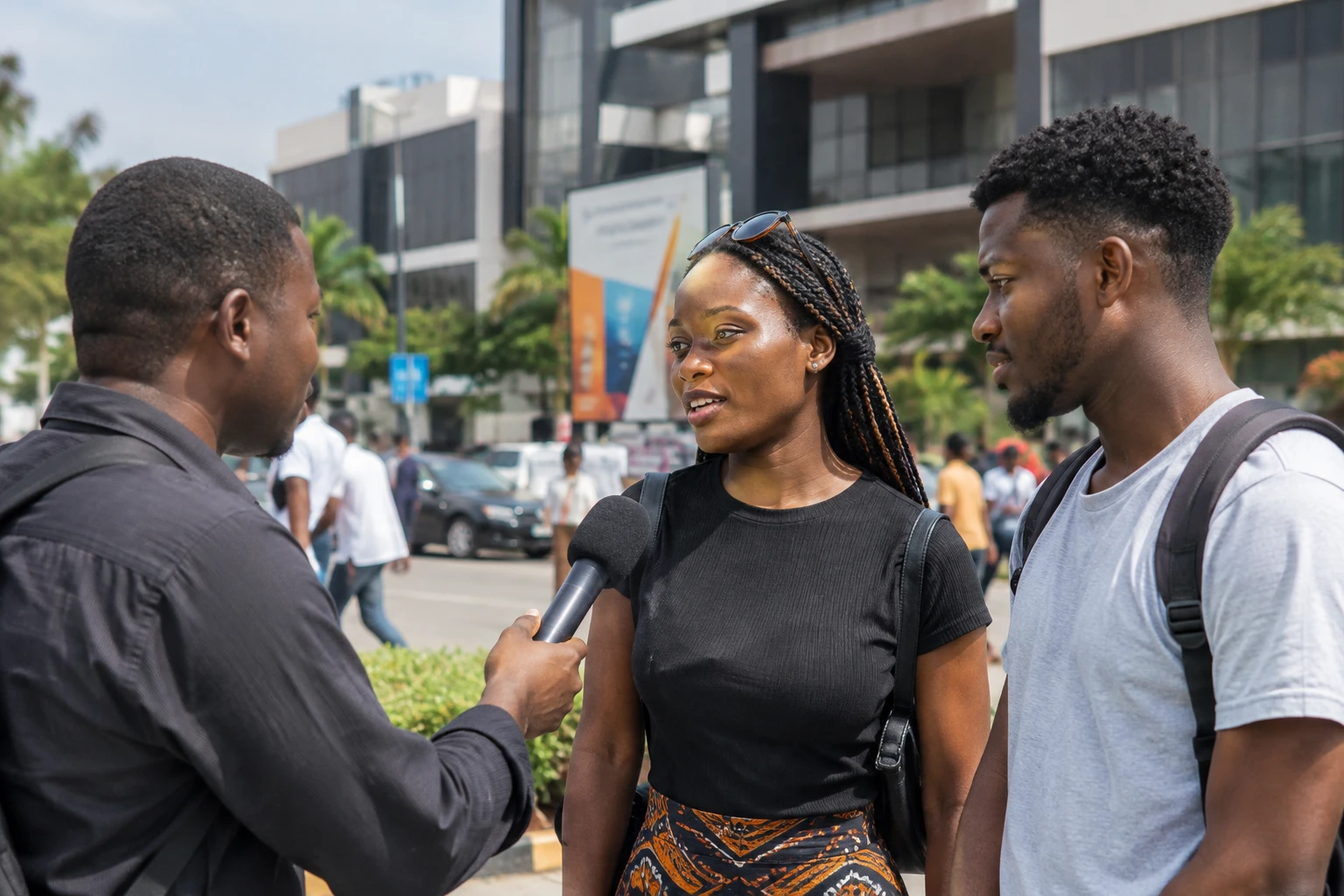
In Abidjan, filming a programme involves more than finding a studio. Producers must also fund equipment, crews and preparation days. Mancala studios aim to remove some of these obstacles. Their opening nevertheless raises a central question: who will really be able to use this facility, and at what price?
New facilities for an industry taking shape
Côte d’Ivoire is seeking to strengthen its position in West African audiovisual production. Since new channels arrived on digital terrestrial television in 2019, demand for local programmes has grown. But producers still face studios that vary in suitability, technical constraints and a need for specialised skills.
This infrastructure gap also affects drama production. Shoots can tie up sets and equipment for extended periods, while the studios available do not always meet the requirements of more ambitious formats. The challenges extend beyond the studio: financing, post-production and the availability of technicians remain major issues for the industry.
Inaugurated on 20 October 2026 in Abidjan’s Riviera Golf district, Mancala studios are part of this context. The ceremony was attended by Côte d’Ivoire’s ministers of Communication and Culture. The Ivorian Press Agency and the Ministry of Culture confirmed the date and that the facility was open to independent producers. The Ivorian Press Agency on the inauguration and Côte d’Ivoire’s Ministry of Culture present the project as strengthening national capacity.
Studios, but no project financing
The complex comprises three studios of different sizes and for different uses. The spaces are designed to host entertainment programmes, game shows, talk shows, podcasts and digital formats. According to the CANAL+ Group, the facility is intended to have a maximum capacity of more than 1,000 hours of programming a year. This is a theoretical target: the pace of filming and the time required to maintain sets may reduce the volume actually produced.
The studios’ managing director, Michel Mutombo-Cartier, put the investment at more than €10 million, without giving a detailed figure. He says the project is not intended to be profitable immediately, as the market is still taking shape. Mancala describes itself as a technical service provider, not a funding body: producers must arrive with a project that is already financed, sold or co-produced.
This distinction matters for independent companies. An equipped studio can reduce some rental costs, but it does not address the costs of writing, financing, salaries or distribution. The announced pricing conditions will be tailored to requirements: the length of the booking, the equipment used, and whether control rooms and post-production services are needed. Discounts are planned for longer shoots, although no detailed public price list has been announced so far.
This à la carte approach could help smaller companies buy only the services their productions need. Its impact, however, will depend on actual quotes, studio availability and producers’ ability to fit the costs into their budgets. The stated openness to all does not, by itself, guarantee equal access.
An ecosystem around filming
Mancala says it will create 15 permanent jobs to operate the site, manage equipment and provide technical support. Film crews can then bring together several dozen people, with roles in directing, front-of-house, catering and technical work. The studios’ managing director estimates that an active production can draw 70 to 80 people around a shoot. The figure will depend on the format and the size of each crew.
The project also plans to host interns and strengthen links with schools. Masterclasses already held in Abidjan cover a range of professions, from make-up to cinematography. Moving on to placements on real productions could bring theoretical training closer to the demands of a studio: schedules, preparation, coordination and equipment handling.
Skills are crucial if the benefits are to extend beyond the studio walls. If Ivorian technicians have access to the equipment and productions, their experience can be shared with other projects, including those outside Mancala. Conversely, if the facilities mainly serve established crews, the benefits for newcomers will remain more limited.
A regional ambition to be measured over time
The presence of an operator that broadcasts programmes, invests in content and now runs a major facility brings together several links in the audiovisual chain. This integration can provide resources and an outlet for productions. It also raises a question of economic pluralism: will independent producers have sufficiently transparent access conditions and real room to negotiate? The group says the studios are open to the sector, but prices and practical arrangements will be decisive.
Across West Africa, Abidjan could attract productions from neighbouring countries and help skills circulate. But infrastructure alone creates neither sustainable funding nor markets for works. The challenge is to connect the studios with producers, broadcasters, schools and distribution networks across the region.
For Côte d’Ivoire, the issue is therefore less the announcement of annual capacity than how much of it is actually used. The number of productions hosted, the share of independent clients, the employment of local technicians and young people’s access to placements will help assess the project’s reach. Mancala’s contribution to Côte d’Ivoire’s audiovisual industry will be measured by these results, rather than by the size of its facilities alone.