Algeria
 Egypt
 Libya
 Morocco
 Sudan
 Tunisia
 Benin
 Burkina Faso
 Cabo Verde
 Côte d'Ivoire
 Ghana
 Guinea
 Guinea-Bissau
 Liberia
 Mali
 Mauritania
 Niger
 Nigeria
 Senegal
 Sierra Leone
 The Gambia
 Togo
 Cameroon
 Central African Republic
 Chad
 DR Congo
 Equatorial Guinea
 Gabon
 Republic of the Congo
 São Tomé and Príncipe
 Burundi
 Comoros
 Djibouti
 Eritrea
 Ethiopia
 Kenya
 Madagascar
 Malawi
 Mauritius
 Mozambique
 Rwanda
 Seychelles
 Somalia
 South Sudan
 Tanzania
 Uganda
 Angola
 Botswana
 Eswatini
 Lesotho
 South Africa
 Zambia
 Zimbabwe
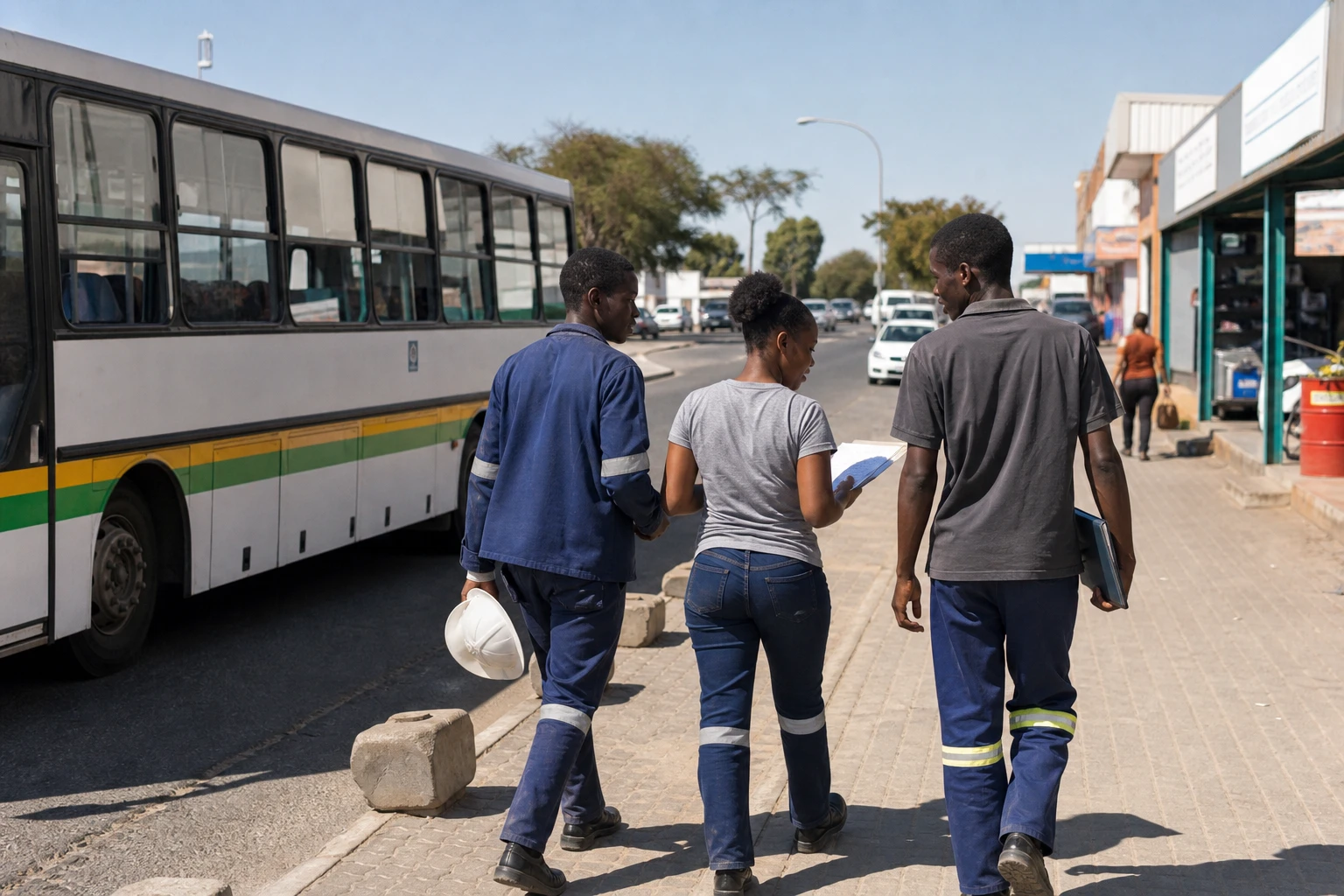
In Windhoek, the question is no longer simply who buys Namibia’s minerals. It is now about what stays in the country after extraction: skilled jobs, factories, tax revenue and technological expertise.
President Netumbo Nandi-Ndaitwah is therefore seeking to broaden Namibia’s partnerships. China already plays a central role in uranium. The United States is now being invited to participate across the entire value chain, from exploration to the manufacture of processed products.
Windhoek wants to move beyond simply supplying raw materials
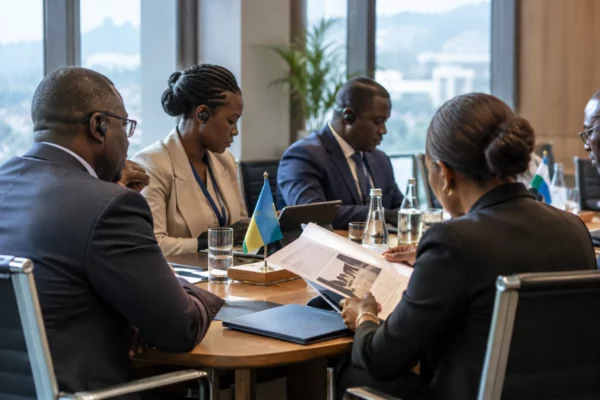
On 20 September 2026, in New York, Namibia’s head of state met members of the US Chamber of Commerce. She urged them to invest in critical minerals, energy, infrastructure, logistics, manufacturing, as well as oil and gas. The information was reported by the Namibian agency NAMPA.
In the mining sector, Namibia’s offer is not limited to extraction. It encompasses exploration, mining, processing, refining and manufacturing. This approach reflects the local value-creation strategy that the authorities have championed for several years.
The targeted resources include uranium, lithium, copper, cobalt, graphite, manganese, tantalum, tin and rare earths. These minerals are used to make batteries, electronic equipment, industrial magnets and certain energy technologies.
Namibia nevertheless has a limited domestic market and a shortage of heavy industrial capacity. To process more materials locally, it must attract capital, secure its energy and water supplies, train a specialised workforce and improve its transport infrastructure.
China already has a presence in the three main uranium mines
The decision to open the sector further to US companies comes in an environment where Chinese groups are already established in the country’s main uranium operations.
At Rössing, China National Uranium Corporation holds a majority stake of 68.62%. At Husab, 90% of Swakop Uranium is owned by Taurus Minerals, which is controlled by China General Nuclear Power Group and the China-Africa Development Fund. Namibian state-owned company Epangelo Mining holds the remaining 10%. These stakes are documented by the Namibian Uranium Association and the Namibian media outlet The Villager.
At Langer Heinrich, Australia’s Paladin Energy owns 75% of the company. A subsidiary of China National Nuclear Corporation holds the remaining 25%. The mine, located in the Erongo region, resumed production in March 2024 after several years of inactivity. Its restart confirms the importance of uranium to Namibia’s mining economy.
Namibia is one of the world’s leading uranium producers. In 2024, it accounted for 12.18% of global production, according to an analysis published by The Namibian. In 2025, exports of uranium and concentrates reached 28.1 billion Namibian dollars, or about 31% of the country’s export revenues, according to the same source.
This concentration does not mean Namibia is abandoning its other partners. Rather, it shows why Windhoek is seeking to diversify investors and secure greater local benefits. For the authorities, the challenge is to avoid replacing one commercial dependency with another.
Etango highlights the battle over future projects
China’s presence also extends to projects that have yet to begin production. On 25 September 2026, CNNC Overseas Limited finalised its entry into the Etango uranium project, led by Australia’s Bannerman Energy. The deal represents an announced investment of $320.4m and gives CNOL an indirect stake of 42.75%.
Etango could become Namibia’s fourth uranium mine. Bannerman has held a permit since 2023 and preparatory work has begun. The final investment decision is expected in the fourth quarter of 2026. The project is targeting average production of 1,588 tonnes of uranium oxide a year. CNOL could purchase 60% of output over the mine’s lifetime, at a market-indexed price.
This arrangement gives Namibia access to financing and industrial expertise. It also raises a strategic question: who will control markets, technologies and the most profitable stages of the value chain? The answer will affect the country’s ability to negotiate better terms.
A local processing policy already under way
Windhoek had begun taking action before its appeal to US investors. In June 2023, the government banned the export of certain unprocessed critical minerals, including crushed lithium, cobalt, manganese, graphite and rare earths. The measure is intended to encourage the establishment of processing facilities in Namibia, as noted by the International Energy Agency.
This ban will not automatically create a local industry. It must be accompanied by reliable electricity, roads, efficient ports and stable rules. It could also increase costs for operators, particularly while processing infrastructure is lacking.
The effects will vary across regions. Major projects in the Erongo region can create direct jobs and support services around Swakopmund, Arandis and Walvis Bay. However, rural areas and small businesses will benefit only if Namibian suppliers gain genuine access to mining markets.
Local processing could also broaden the tax base and boost technical training. Conversely, a strategy limited to exporting concentrates would leave a substantial share of the added value abroad.
Implications for SADC and Africa
Namibia operates within the Southern African Development Community, SADC, which includes South Africa, Botswana, Zambia, Zimbabwe and the Democratic Republic of the Congo, among others. This regional proximity can facilitate rail corridors, access to ports and exchanges of mining expertise.
It can also strengthen complementarities. Namibia has resources and strategic maritime access through Walvis Bay. Other SADC countries have processing capacity, industrial markets or complementary reserves. Regional co-ordination is therefore a way to prevent each country from negotiating separately with the major powers.
For the African Union and the African Continental Free Trade Area, the Namibian case raises a broader question: how can the continent move from exporting raw minerals to building African value chains? US interest and China’s presence can provide financing. On their own, they will not replace national and regional industrial policies.
The next developments to watch are the final decision on Etango, the delivery of US investments and Windhoek’s ability to require processing activities to take place on its territory. The success of this strategy will be measured less by the number of agreements signed than by skilled jobs, transferred technologies and revenues retained in Namibia.