Algeria
 Egypt
 Libya
 Morocco
 Sudan
 Tunisia
 Benin
 Burkina Faso
 Cabo Verde
 Côte d'Ivoire
 Ghana
 Guinea
 Guinea-Bissau
 Liberia
 Mali
 Mauritania
 Niger
 Nigeria
 Senegal
 Sierra Leone
 The Gambia
 Togo
 Cameroon
 Central African Republic
 Chad
 DR Congo
 Equatorial Guinea
 Gabon
 Republic of the Congo
 São Tomé and Príncipe
 Burundi
 Comoros
 Djibouti
 Eritrea
 Ethiopia
 Kenya
 Madagascar
 Malawi
 Mauritius
 Mozambique
 Rwanda
 Seychelles
 Somalia
 South Sudan
 Tanzania
 Uganda
 Angola
 Botswana
 Eswatini
 Lesotho
 South Africa
 Zambia
 Zimbabwe
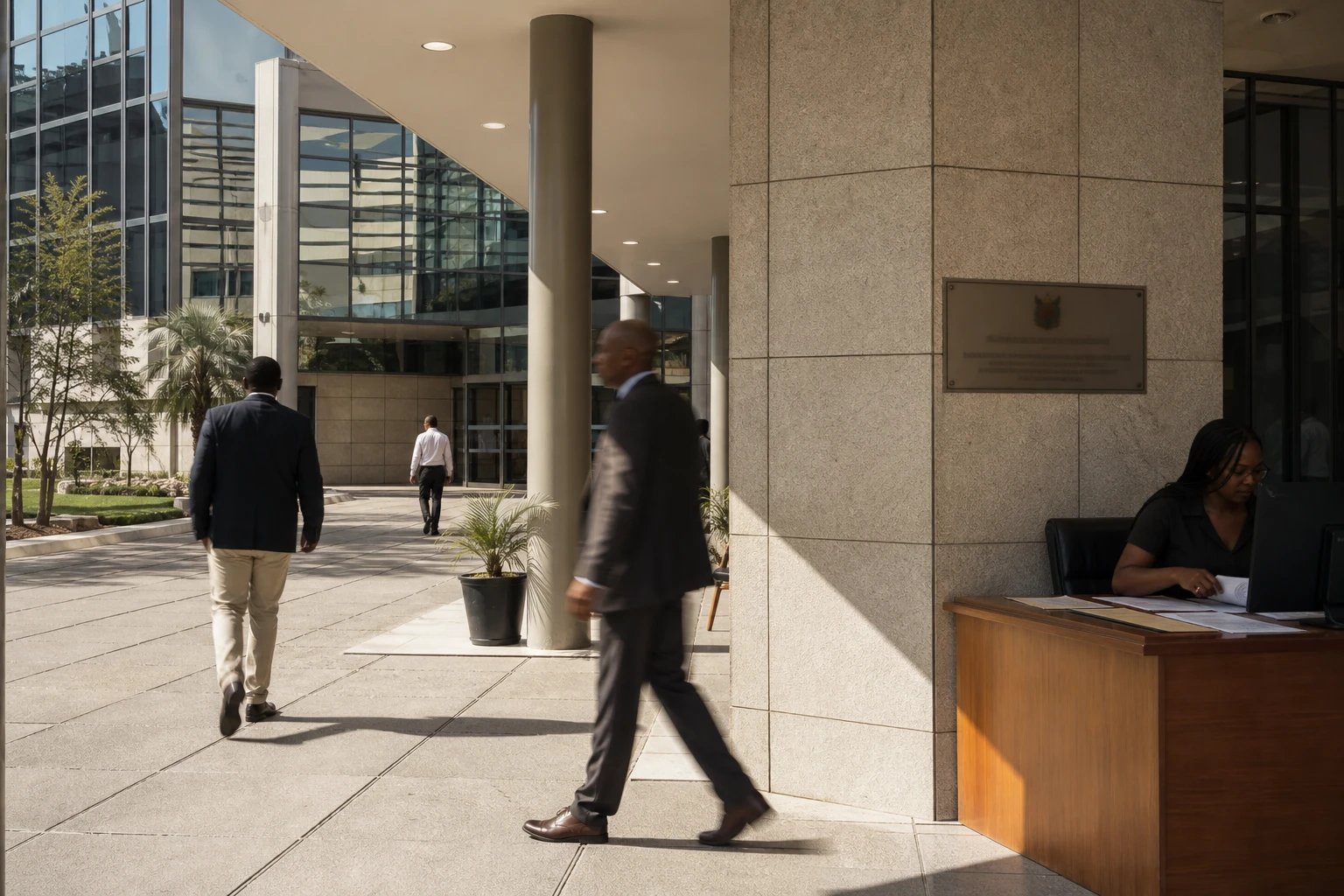
Windhoek looks north, for very practical reasons
An embassy is never merely a symbol. It often follows the routes of trade, energy and strategic interests. For Namibia and the Netherlands, the biggest draw today is the promise of a new industrial sector: green hydrogen, ports and logistics corridors linking southern Africa to Europe.
Namibia is not at the centre of European debate by chance. The country is seeking to turn its strong solar and wind potential into investment, jobs and higher-value exports. Regionally, this ambition is also part of the SADC, the Southern African Development Community, which is betting on the movement of goods, port integration and the expansion of clean energy.
A diplomatic realignment, not a retreat from the continent
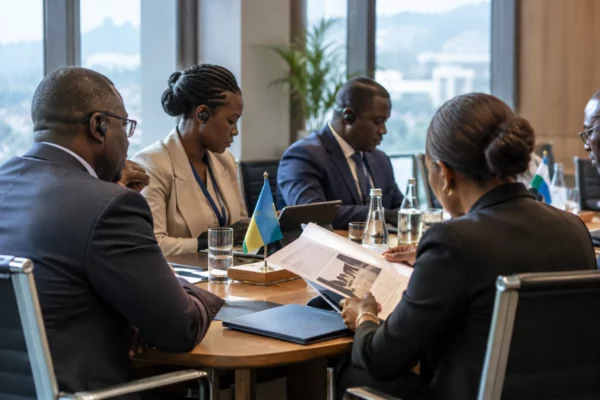
On 15 September 2026, the Dutch government said it would consider opening embassies in Podgorica and Windhoek, while closing several missions elsewhere, including in Harare, Tripoli and Bujumbura. The decision is part of a broader review of the diplomatic network, funded by an additional allocation of €35 million.
The Hague presents the move as an adjustment to geopolitical changes and its economic priorities. This approach extends the Africa Strategy 2023-2032, which highlights economic cooperation, the energy transition, food security and raw materials. The official document describes cooperation with African partners as “based on equality”.
In other words, the signal to Windhoek is not one of expanding diplomatic presence across Africa, but of refocusing on countries considered useful to Dutch interests in the long term. Namibia falls into this category because it combines relative stability, a strategic port location and industrial prospects linked to the energy transition.
Green hydrogen as the backbone of closer ties
For several years, the two countries have engaged chiefly in one specific area: the green hydrogen value chain. In December 2024, the Dutch diplomatic network in southern Africa had already said it wanted to accelerate Namibia’s energy transition by supporting renewable infrastructure, hydrogen derivatives and commercial routes to Europe and the Netherlands.
This is not just theoretical. In June 2023, the Namibia Ports Authority and the Port of Rotterdam signed a memorandum of understanding to establish a supply chain between Lüderitz and Rotterdam. The document also referred to land set aside at Walvis Bay for green hydrogen-related activities.
The Hyphen Hydrogen Energy project remains the centrepiece of this puzzle. The Namibian government approved a $10 billion agreement for the project, located near Lüderitz, in May 2023. The first phase is expected to produce about 1 million tonnes of green ammonia a year, before capacity is expanded to 2 million tonnes, according to information published by the company. A final investment decision is now expected by 2027.
The sector is also advancing through smaller on-the-ground projects. In September 2025, CMB.TECH launched at Walvis Bay what it calls Africa’s first integrated green hydrogen facility, featuring a 5 MWp solar farm, a 5 MW electrolyser and a battery system. The company also plans an ammonia storage and bunkering terminal at the Port of Walvis Bay.
What Namibia can gain, and what it must secure
For Windhoek, the point is not simply to attract another flag to the Namibian capital. It is primarily about securing financing, better technical coordination and more direct access to European markets. A country seeking to export green ammonia needs ports, connections, local skills and robust contracts. Without them, renewable potential remains a resource, not an industry.
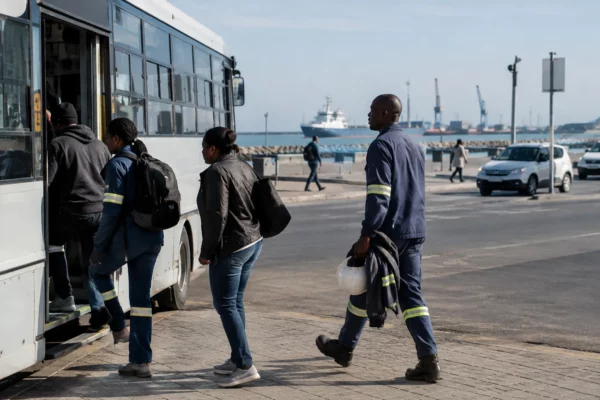
Geography matters, too. Walvis Bay and Lüderitz are not merely dots on a map. Namport says the ports underpin cross-border corridors to Zambia, Botswana, Angola, the Democratic Republic of the Congo and South Africa. For Namibia, that means the energy transition can build on a regional logistics platform that already serves both formal trade and everyday flows.
But Namibia will need to make careful choices. Hydrogen projects promise revenue and skilled jobs, but also require desalinated water, port infrastructure and stable regulatory frameworks. For the state and local communities alike, the risk is that value is exported too quickly, while domestic benefits remain limited. Namibian authorities are highlighting industrialisation, energy security and the training of local teams.
A signal to watch across Africa
The significance extends beyond Windhoek. If the Netherlands does open an embassy in Namibia, it will say something about the changing map of Europe-Africa relations: less diffuse presence, more anchor points where energy, ports and raw materials converge. Southern Africa, already shaped by the industrial strategies of the African Union and the SADC, is becoming a place where diplomacy is measured by the ability to support real value chains.
The next milestone will be the shift from intention to decision. The Dutch timetable, budget choices and Windhoek’s ability to turn this diplomatic attention into concrete partnerships will all need to be watched. In a country where green hydrogen already serves as a common thread linking several projects, opening an embassy would be less an end than a test: a test of the economic credibility of European engagement on Namibian soil.