Algeria
 Egypt
 Libya
 Morocco
 Sudan
 Tunisia
 Benin
 Burkina Faso
 Cabo Verde
 Côte d'Ivoire
 Ghana
 Guinea
 Guinea-Bissau
 Liberia
 Mali
 Mauritania
 Niger
 Nigeria
 Senegal
 Sierra Leone
 The Gambia
 Togo
 Cameroon
 Central African Republic
 Chad
 DR Congo
 Equatorial Guinea
 Gabon
 Republic of the Congo
 São Tomé and Príncipe
 Burundi
 Comoros
 Djibouti
 Eritrea
 Ethiopia
 Madagascar
 Malawi
 Mauritius
 Mozambique
 Rwanda
 Seychelles
 Somalia
 South Sudan
 Tanzania
 Uganda
 Angola
 Botswana
 Eswatini
 Lesotho
 Namibia
 South Africa
 Zambia
 Zimbabwe
A team already under scrutiny
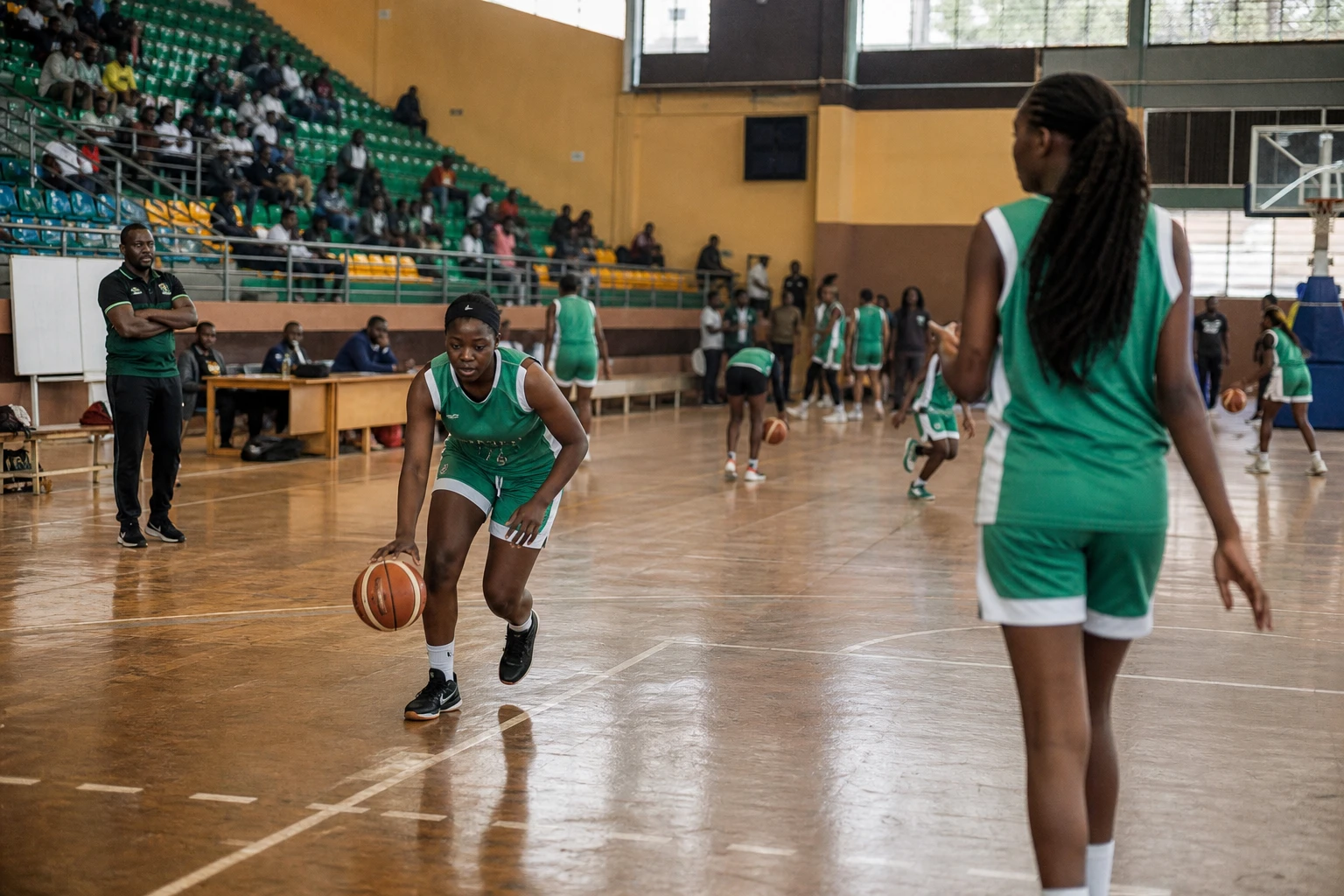
When a Malian girls’ team reaches the final stages of a continental competition, the question is no longer just about the score. It also concerns the continuity of a development pathway, coaching and Mali’s place in African basketball. In Abidjan, at the Palais des Sports de Treichville, Mali’s women’s U18 team confirmed that it remains a continental benchmark, against Kenya in the quarter-finals of the 2026 U18 Women’s AfroBasket.
The match was part of a tournament held in Côte d’Ivoire from 5 to 16 August 2026, with 12 teams competing. The event also serves as a qualifier for the U19 World Cup, giving every match stakes far beyond a place in the semi-finals. The tournament’s top two teams will secure a place at the global event.
The regional setting: Abidjan, a showcase for African basketball
Côte d’Ivoire is hosting the men’s and women’s U18 competitions in 2026, confirming its growing role in staging major African basketball events. FIBA Africa awarded the hosting rights to Abidjan after the successful staging of the 2025 Women’s AfroBasket in the same city. The Palais des Sports de Treichville thus remains one of the hubs of continental basketball.
For Mali, the stakes extend beyond sport. The country won the 2024 edition in this age category and has dominated several recent editions. FIBA notes that the Malian women have won three of the last five U18 Women’s tournaments, in 2018, 2020 and 2024. This consistency has fuelled high expectations in Mali and across West Africa.
The facts: a clear lead from the first quarter
Mali took control early in the quarter-final. The scoreboard read 28-11 after the first quarter, then 48-20 at half-time. The margin told the story: control of the tempo, defensive aggression and offensive efficiency were clearly on Mali’s side. Kenya, who had come hoping to cause an upset, struggled under the pressure and could not slow their opponents down.
Mali’s Maimouna Traoré stood out in the first half. At the break, she had scored 21 points, making her the game’s leading scorer at that stage. Her individual impact illustrates one of Mali’s strengths in youth basketball: its ability to produce players already capable of making the difference in high-stakes matches. FIBA has already highlighted her progress in its coverage of Malian talent.
What the match says about Malian basketball
Mali’s dominance was no accident. It rests on a competitive culture built at several levels, from clubs in Bamako to the national teams. For several years, Mali has fielded highly competitive women’s youth teams. This reflects sustained work, often out of the spotlight, on scouting, coaching and regular participation in international competitions.
For the Malian federation, these results reinforce the country’s image as a talent developer, capable of producing players ready to take on responsibility at an early age. For families, clubs and training centres, they also send an important signal: women’s basketball can bring genuine continental visibility, not just local recognition. In a context where infrastructure and resources remain uneven from one country to another, Mali’s consistency carries considerable weight.
The half-time gap against Kenya also reflects the current hierarchy among some of Africa’s youth basketball systems. Kenya, a team making progress in its region, had to contend with the intensity and experience of an opponent more accustomed to this level. In tournaments of this kind, the strength of established patterns, collective experience and recent track records often matters as much as raw talent.
A continental impact beyond the result
This quarter-final has significance beyond Mali. It is a reminder that women’s basketball in Africa is growing in depth and profile. The 2026 edition is part of a broader trend, with competitions organised under the auspices of FIBA Africa and fiercer competition for qualifying places at U19 world tournaments. The eventual winner will gain more than a trophy; it will also secure a place on the global basketball map.
For Mali, already crowned champions in 2024, this tournament is a test of succession. The strength of a leading team is also measured by its ability to renew its talent without losing its playing identity. For West Africa, Mali’s regular presence at the highest level fuels useful competition with other regional powerhouses. For host nation Côte d’Ivoire, staging such an event confirms its growing logistical and sporting capacity on the continent.
The rest of the tournament will show whether this commanding first half signals a campaign controlled to the finish or was simply an early warning. In Abidjan, Mali has reminded everyone that it remains a well-established force in women’s U18 basketball. Kenya, meanwhile, will need to turn this experience into a useful lesson for the rest of its continental journey.